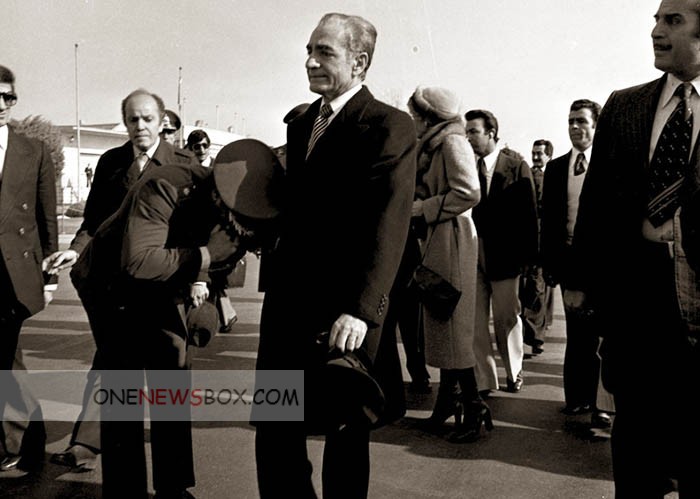
The roots of this moment lay in years of growing dissatisfaction with the Shah’s rule. While his government had promoted rapid modernization, economic development, and close ties with Western powers, especially the United States, these policies were accompanied by political repression, limits on freedom of expression, and the dominance of a centralized, authoritarian state. The activities of the secret police (SAVAK), the banning of opposition parties, and widespread perceptions of corruption deepened public resentment.
With formation and expansion of the Islamic movement, harmony of public uprisings led by Khomeini, holding of the fortieth day ceremony for the martyrs in different cities, massacre of September 8, 1978, and strike of the employees of National Oil Company the regime lost control of the security of the country and the foundations of the 2500-year Imperial System were loosened within a short period of time resulting in the Shah’s escape.