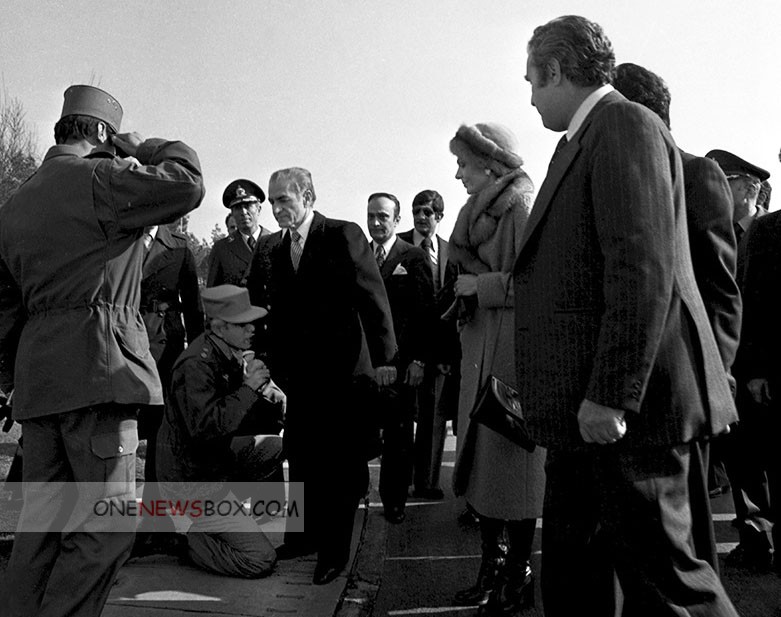
By the late 1970s, economic difficulties, rising inflation, and social inequality further intensified opposition across different segments of society, including religious groups, intellectuals, students, workers, and merchants. Throughout 1978, protests grew in size and intensity. Demonstrations were often met with violence, which only fueled further anger and resistance. Major strikes, particularly in the oil industry, paralyzed the economy and weakened the government’s ability to function. By the end of the year, it had become increasingly clear that the Shah had lost control over much of the country.
With formation and expansion of the Islamic movement, harmony of public uprisings led by Khomeini, holding of the fortieth day ceremony for the martyrs in different cities, massacre of September 8, 1978, and strike of the employees of National Oil Company the regime lost control of the security of the country and the foundations of the 2500-year Imperial System were loosened within a short period of time resulting in the Shah’s escape.