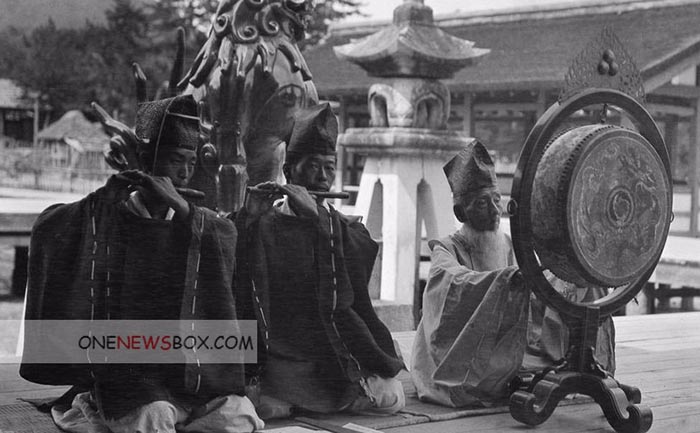
Though most famous for his San Francisco street shots, Genthe did extend his talents abroad, apparent in his noteworthy Japanese series. During the Taishō period, political life became more vibrant and open than in previous eras. Two major parties, the Seiyūkai and Kenseikai, competed for power and influenced government policies. Cabinets increasingly formed from majority parties rather than imperial appointment alone—an important step toward parliamentary democracy.
For the first time, all adult men gained the right to vote, significantly expanding political participation. This reform strengthened the idea that government should reflect the will of the people. While politics liberalized, some restrictive laws emerged. The Peace Preservation Law (1925) suppressed socialist and communist movements and signaled future authoritarian trends. This tension—between democratic expansion and political repression—defined the late Taishō era.