
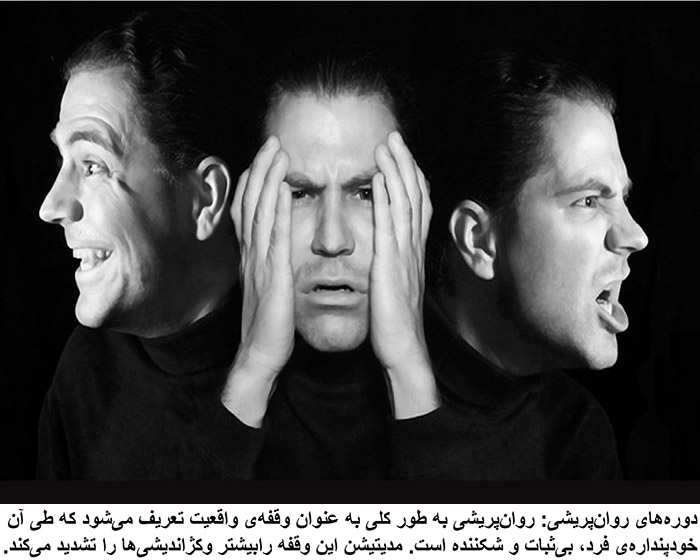
[custom_adv] Active addiction: If someone is in the throes of active addiction, it’s difficult for any form of meditation or therapy to be effective. Meditation could increase cravings and thoughts of using drugs or alcohol. [custom_adv] Intense anxiety: Anxiety can turn your inner world into chaos filled with intrusive thoughts, obsessive thinking, rumination, or paranoia. Turning your attention inward could spike an increase in dread and discomfort. [custom_adv] Ongoing depression: People struggling with depression tend to isolate themselves, withdraw from the world, and spend too much time alone. Meditation could fuel further reclusiveness. [custom_adv] Psychotic episodes: Psychosis is generally defined as a break in reality testing; this leads to an unstable and fragile sense of self. Meditation could further this break and magnify distortions. [custom_adv] Trauma: Trauma can cause disassociation and panic attacks. When trauma is triggered, the mind tends to fragment, and trying to quiet your thoughts can feel like an insurmountable challenge.