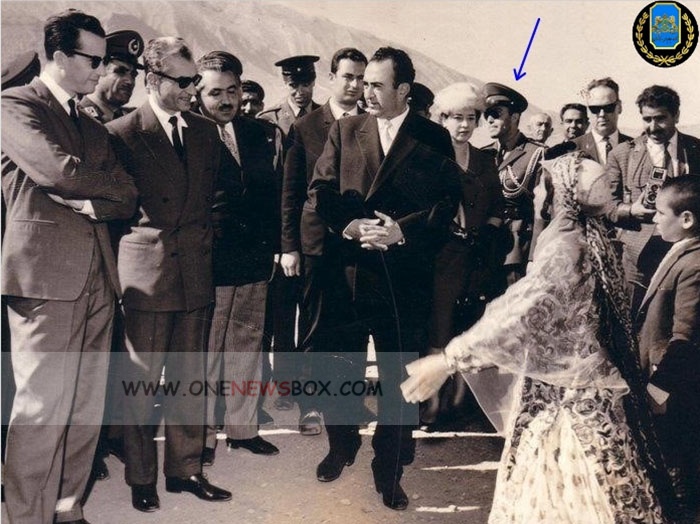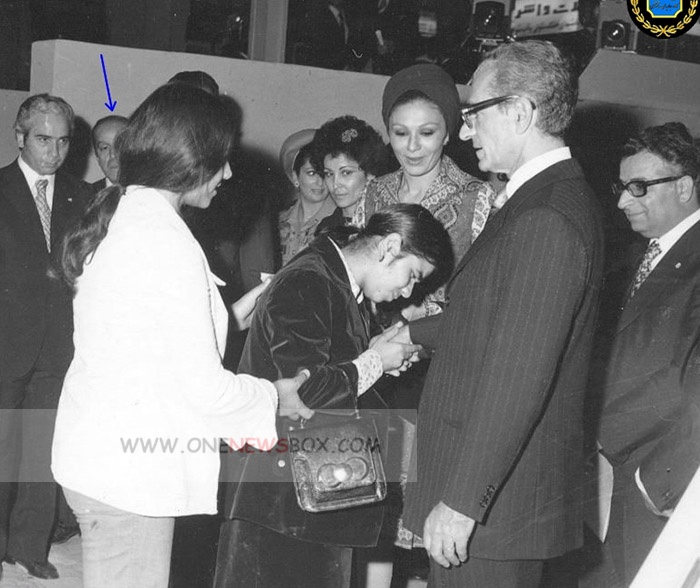
The core of the Imperial Guard was the all volunteer Javidan Guard (Gârd e Jâvidân, Persian: Immortal Guard), better known as the “Immortals” after the ancient Persian royal guard or Persian Immortals. The “Immortals” were based in the Lavizan Barracks in northern Tehran. By 1978 this elite force comprised a brigade of 4,000-5,000 men, including a battalion of Chieftain tanks. It was responsible for the internal and external security of the royal palaces. A special plain-clothes unit was called Ma’mourin Makhsous (Special Agents).
Prior to the 1967 Imperial Coronation a Pahlavi Cavalry Guard was formed, giving the Javidan Guard a Household Cavalry type mounted escort unit for ceremonial occasions. According to differing accounts this detachment was 30 to 50-strong.The last Commanding Officer of the Javidan Guard was Lieutenant-Colonel Yusuf-i-nijad.By the late 1970s the entire Imperial Guard (including conscripts outside the Javidan units) was 18,000 strong, with artillery, armored and helicopter units. The entire Guard comprised some 6% of the army, and were the only troops stationed permanently in the capital Tehran.
A recruit to the Imperial Guard had to pass a series of proficiency tests, varying in subjects and difficulty. Reportedly one of the prerequisites for initiation was to be able to recite one’s family history back for 23 generations from memory alone[citation needed].Imperial Guard units were distinguished by salmon (light red) coloured insignia. The Pahlavi Cavalry Guard had special blue and red ceremonial uniforms, including silver cuirasses and crested helmets.