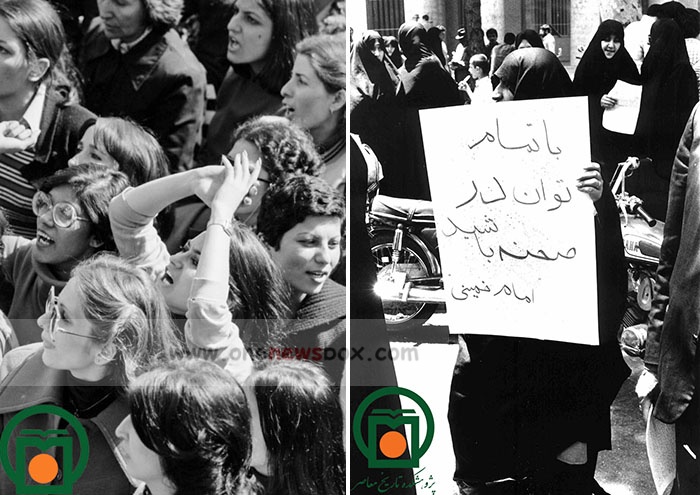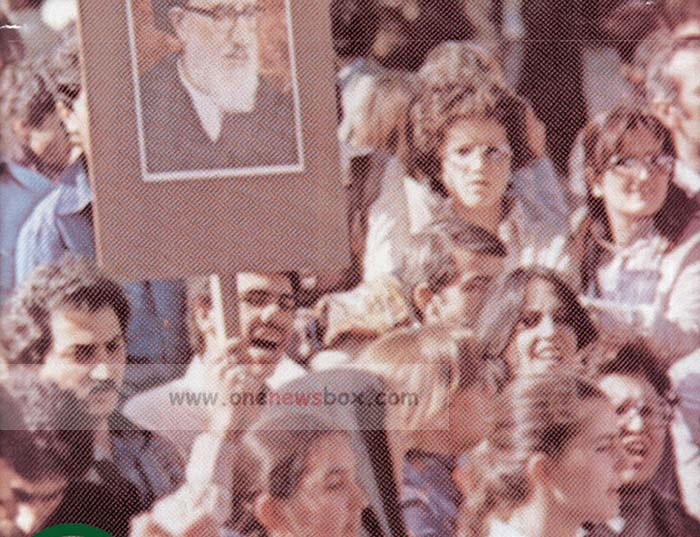
Feminist hijab advocates pointed out that traditionally women not only wore hijab but did not mix with men, but in the anti-shah demonstrations thousands of veiled women participated in religious processions alongside men, which showed hijab empowered women protecting women from sexual harassment (because conservative men regarded them as more respectable) and enabling access to public spheres.
Kashf-e hijab was relaxed in 1941 under Reza Shah’s successor (and son), Mohammad Reza Pahlavi; the wearing of a headscarf or chador was no longer an offense and women were able to dress as they wished,but hijab was still considered an indicator of backwardness or of membership of the lower class. Wearing of the chador became a significant hindrance to climbing the social ladder.