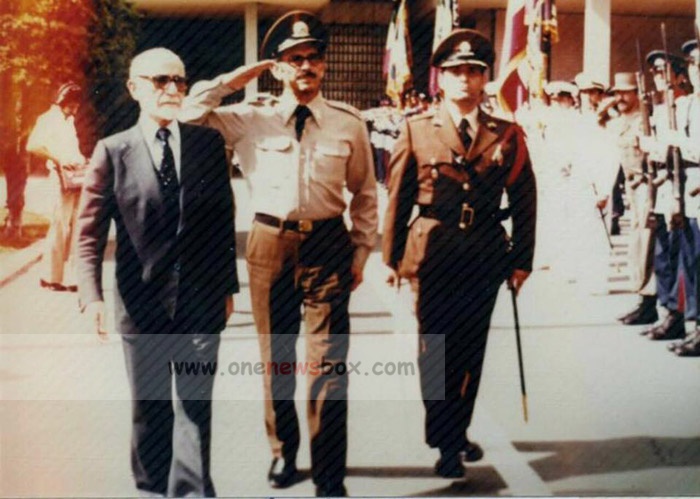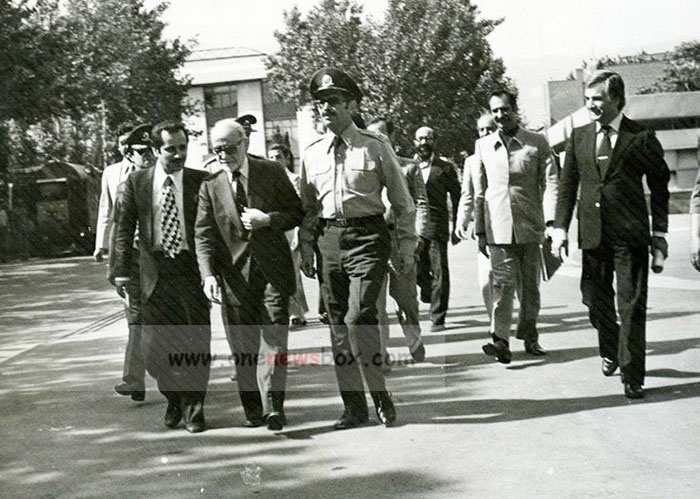
Farbad’s rise within the military hierarchy continued as he assumed roles in the command board and headquarters of the 1st Army, further solidifying his reputation as a capable and respected military leader. His contributions to national defense were recognized with prestigious honors, including the rank of Brigadier General and the title of Quaid-e-Azam from the Pakistan Army.Farbad’s military career intersected with Iran’s turbulent political landscape, leading him to play an active role during times of change and upheaval.
His involvement in the Bahman 57 revolution marked a turning point in his trajectory, as he found himself navigating the complex dynamics between military leadership and political authority. Nasser Farbad’s journey through Iran’s military and political landscape is a testament to his unwavering commitment to democracy, national sovereignty, and human dignity. From his early military career to his post-revolutionary activism, Farbad’s legacy embodies a rare blend of military expertise, intellectual depth, and a steadfast belief in democratic principles.