Yemen: The Land of the Queen of Sheba
Yemen, often referred to as the land of the Queen of Sheba, is represented in the exhibition through its ancient architecture, including replicas of the Great Dam of Marib and the ancient city of Shibam. Yemen’s rich history, which includes its role as a major center of trade and commerce in the ancient world, is highlighted in the exhibition.
The exhibition also addresses Yemen’s contemporary struggles, particularly the ongoing civil war and the humanitarian crisis that has resulted from it. The portrayal of Yemen in the exhibition is one of resilience and resistance, with an emphasis on the country’s efforts to preserve its sovereignty in the face of foreign intervention.
Palestine: A Symbol of Resistance
The Palestinian section of the exhibition is perhaps the most politically charged, reflecting the ongoing struggle between Israel and Palestine. The exhibit features replicas of the Dome of the Rock, the Church of the Holy Sepulchre, and other significant religious and cultural sites in Jerusalem. The historical significance of Palestine as the birthplace of the Abrahamic religions is highlighted, as well as its long history of resistance against foreign occupation.
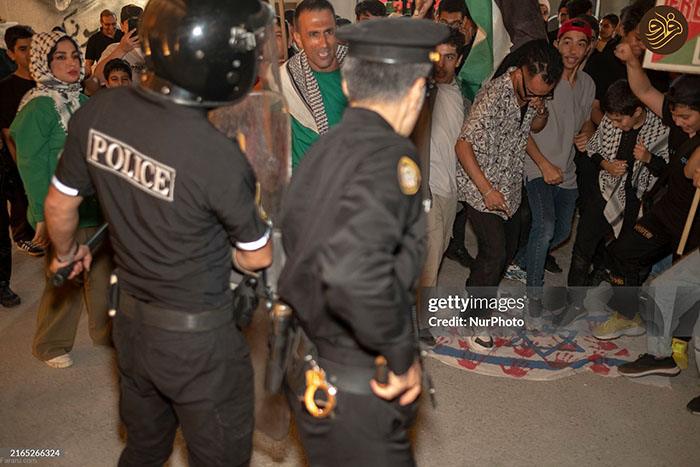
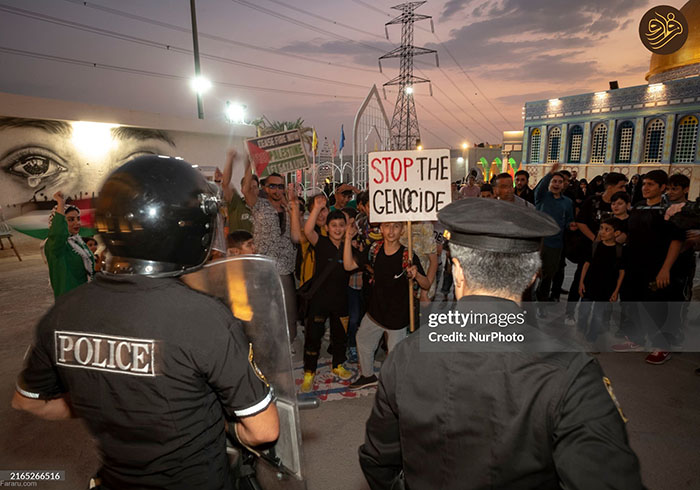
A particularly striking feature of the Palestinian exhibit is the simulation of protests by American students supporting Palestine and the subsequent violence by American police against them. This simulation serves as a powerful reminder of the global solidarity with the Palestinian cause and the often violent response it receives. The portrayal of these protests in the exhibition underscores the broader theme of resistance that runs throughout the event, linking the struggles of the Palestinian people with those of other nations within the “axis of resistance.”