[custom_adv]
Cultural Significance
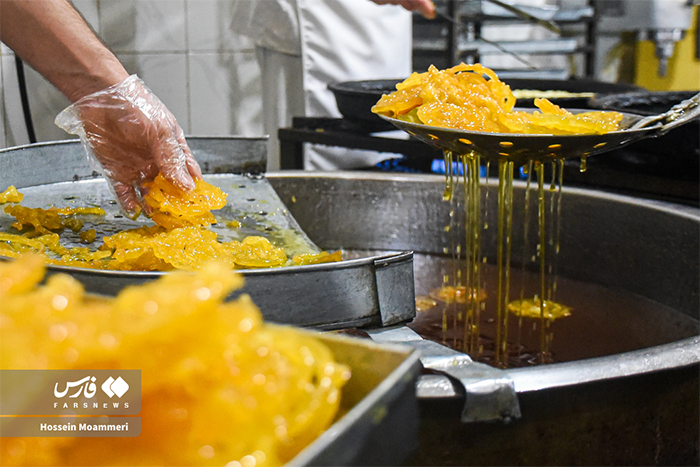
Tulumba holds a special place in many cultures, often associated with religious and festive occasions. In Turkey and the Balkans, it is a common treat at celebrations, including weddings and religious holidays. In Persian culture, Bamiyeh is frequently enjoyed during Ramadan, served alongside other sweets to break the fast during Iftar.
The dessert’s presence in Arabic cuisine is notable under the name Balaḥ ash-Shām, meaning “Damascene dates,” alluding to both its Syrian origins and its resemblance to dates. This version is particularly popular in Egypt, Iraq, and the Levant. In Armenian and Cypriot traditions, Tulumba is also a cherished sweet, demonstrating the extensive cultural exchange facilitated by the Ottoman Empire.