Chapter 1: The Arrival of the Brimmed Hat
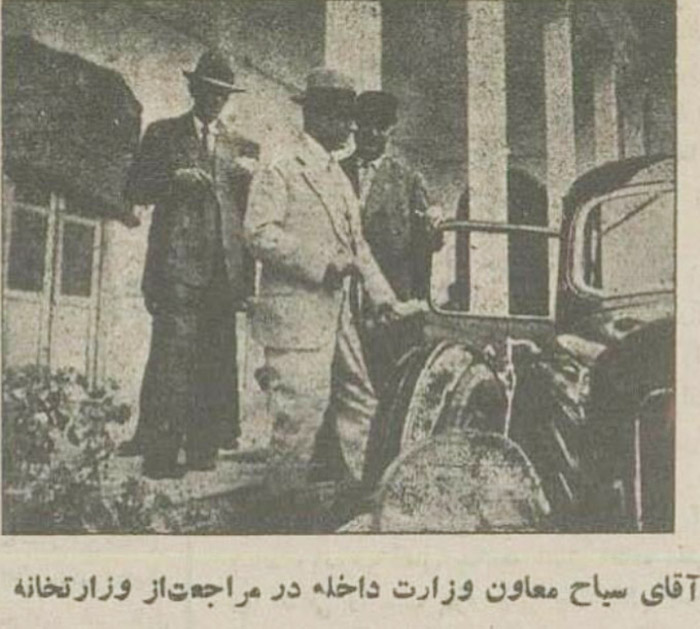
Before the 1930s, Iranian men traditionally wore felt hats, woolen headgear, or the regional kolah — symbols of cultural identity tied to place, tribe, or religious class. The brimmed hat, with its sharp European silhouette, marked a departure from centuries of sartorial continuity. Its arrival was more than aesthetic; it was ideological.
By the time Reza Shah ascended the throne and began his modernization efforts, the brimmed hat was being promoted as part of a broader dress reform initiative. Modeled after Atatürk’s reforms in neighboring Turkey, Reza Shah aimed to unify Iran’s diverse populations under a national identity that visibly broke from tribalism, religious factions, and the old world. Clothing became his instrument.
In this vision, the brimmed hat was a beacon of progress. It was a move toward Europe — not just geographically, but ideologically. Those who adopted it, willingly or otherwise, aligned themselves with a future defined by state authority, secularism, and Western modernity.
But in Tehran, the change was never merely top-down. The people, especially the urban elite, responded with their own interpretations.