The 13 Shahrivar (September 4) March
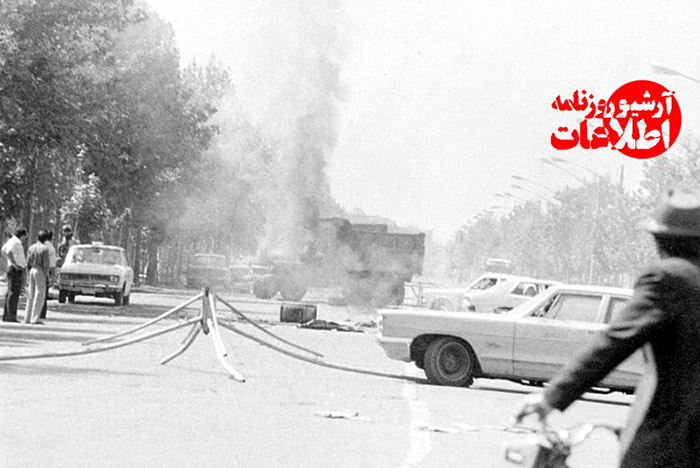
Just days after Sharif-Emami took office, on 13 Shahrivar 1357 (September 4, 1978), a massive demonstration took place during Eid al-Fitr, beginning in Qeytariyeh and moving down Pahlavi Street (today’s Vali Asr Street) to Shahyad Square (today’s Azadi Square).
-
SAVAK estimated about 60,000 participants, mostly from the religious sector, while the newspaper Ettela’at reported three million demonstrators nationwide.
-
This was the largest open demonstration against the Shah in decades, signaling that the opposition had overcome fear of repression.
-
Slogans began to shift from general calls for reform to direct demands for the end of monarchy and the establishment of a republican system.
Escalation: September 15–16
The government responded with bans on gatherings, but opposition networks ignored them. On September 16, massive protests in Tehran drew over half a million people, the largest demonstration to date.
-
Chants included “Marg bar Shah (Death to the Shah)” and “Shah doit beravad (The Shah must go).”
-
For the first time, explicit calls for a Republic of Iran were voiced publicly.
-
Alarmed by the escalation, the Shah’s government declared martial law in Tehran and eleven other cities, effective at dawn on September 17, 1978.
-
Military authority over the capital was handed to General Gholam Ali Oveisi, known for his brutality during the 1963 uprising.
-
Prominent opposition leaders—including Karim Sanjabi, Mehdi Bazargan, Dariush Forouhar, Abdolkarim Lahiji, and others—were arrested in an attempt to decapitate the movement.