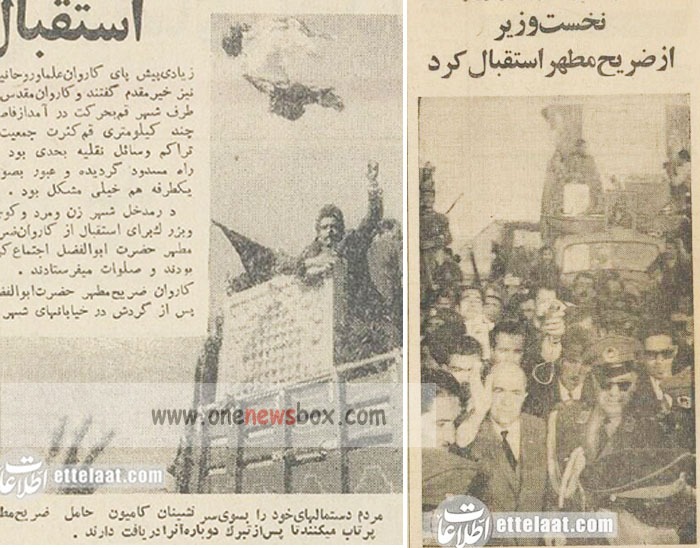
What follows is an expanded historical narrative of that journey, based on the preserved script of the magazine’s report, supplemented with historical background, emotional descriptions, and cultural context to reconstruct the atmosphere of that extraordinary event.
Origins of the Project: A Gift for Karbala
The shrine of Hazrat Abolfazl (AS) had reached a point where restoration and reconstruction had become necessary. For centuries, the site had been a destination for millions of Shia Muslims from around the world, particularly from Iran. The relationship between Iranian artisans and the holy shrines of Iraq had a long and rich history: from tilework to silver enclosures, carpets, manuscripts, and architectural embellishments, much of the artistic heritage in Karbala and Najaf bore the hallmark of Iranian craftsmanship.
In the early 1960s, Ayatollah Hakim, one of the most influential Maraji of the time based in Najaf, initiated the plan for a new shrine. He entrusted the artistic execution to the city most renowned for its metalwork, tilework, and miniature arts: Isfahan.
By mid-1343, work began under the supervision of master craftsmen, including:
-
Seyyed Asadullah Khosravani and Ahmad Dinari (engraving),
-
Shukrullah Sanizadeh (enamel work),
-
The Khaleqzadegan brothers (wood carving),
alongside dozens of metalworkers, jewelers, and artisans.