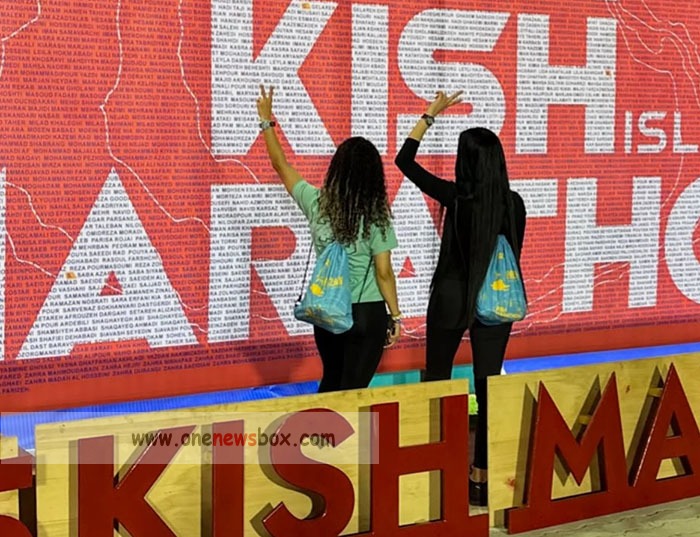
Against that backdrop, the Kish marathon arrests make sense: an athletic event involving women without hijab is perceived not merely as sport, but as social challenge — a breach of the moral code enforced by the state.
For many in the international community and within Iran society, such reactions reinforce the view that women’s rights, personal freedoms, and lifeways remain tightly controlled, and that even recreational or cultural gatherings can be criminalized under shifting interpretations of “public decency.”
Why the Kish Marathon Incident Resonates
-
It brings to light a quiet but growing social shift. Many women in Iran — especially in urban areas — have been pushing boundaries, asserting choice over their bodies and dress. The marathon was perhaps one of the first public, large-scale events to reflect that shift. The reaction to it reveals how threatening that shift remains to the regime.
-
It underscores the fragility of “free zones.” Kish had seemed to offer slightly looser social norms, at least in practice. The crackdown suggests that no place is exempt — even tourist-friendly islands — if the regime decides to assert control.
