2. The Unraveling of Social Tolerance?
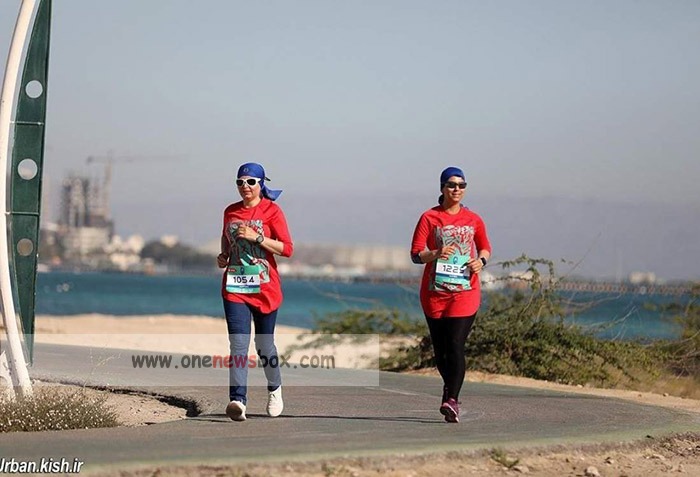
Kish Island had long been viewed — at least informally — as among the freer zones in Iran when it came to certain social rules, especially for tourists and in the context of leisure. That perception now appears fragile. The crackdown may deter future events, discourage organisers, and reinforce conservative control even in places traditionally considered more permissive.
3. Gender, Control — and the Role of Women
The marathon controversy underscores the ongoing struggle over women’s bodies, autonomy, and place in the public sphere. For many young Iranians — particularly women — the freedom to run, to engage in sport, to appear in public dressed as they choose, represents more than personal liberty. It is a form of resistance against a system that polices their appearance, mobility, and behavior.
4. Political Stakes — Between Reformists and Hard-liners
The incident comes amid a larger political standoff: a more moderate government under President Pezeshkian balks at hard-line proposals to impose severe penalties on dress-code violations; ultraconservatives in parliament and the judiciary are pushing back. The Kish marathon becomes a flashpoint in this struggle — a test case of who controls the narrative, and ultimately, who controls public life in Iran.
