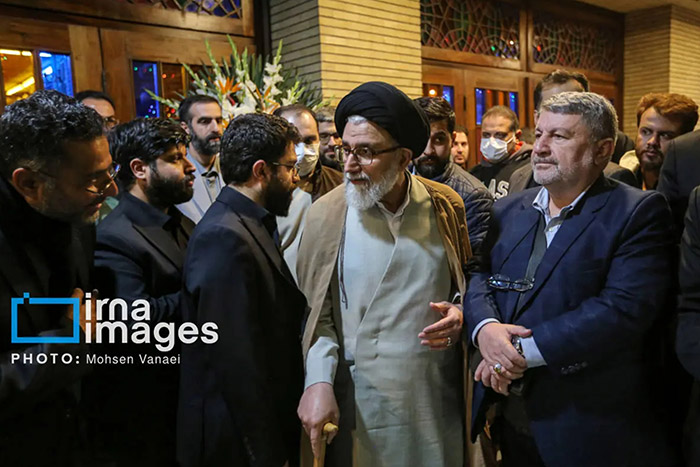
News agencies, social media platforms, and official outlets covered the tragedy extensively. Messages of condolence poured in from political figures across the country and even from international partners involved in Iran’s energy sector.
The accident raised renewed debates around road safety, the absence of adequate lighting and signage on highways, the dangers of improperly parked heavy vehicles, and the increasing mortality rate from road collisions—a subject long familiar to Iranian public discourse but seldom addressed with structural reforms.
The Life and Rise of Ismail Saqab Esfahani
To understand the depth of national sympathy expressed toward Saqab Esfahani, it is important to consider his personal background and political trajectory.
Born on February 12, 1985, in Mashhad, Esfahani came from a working-class family with religious roots. His early academic achievements and involvement in student organizations paved the way for his political involvement.
His first major step into political life occurred in 2009, when he joined the Youth Affairs Organizing Committee of Khorasan Razavi Province, participating in local policy initiatives and grassroots community programs. His energetic presence, organizational skills, and ability to navigate complex bureaucratic structures made him a recognizable figure in the region.