This political tension formed the backdrop against which the tragedy of Esfahani’s family occurred—a moment when ideological disputes abruptly shifted to an atmosphere of collective condolence.
The Funeral as a Moment of National Unity
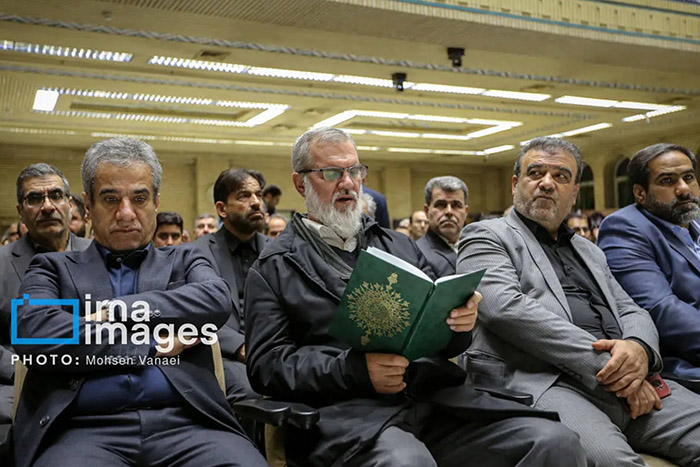
One of the most striking aspects of the December 17 funeral was the suspension of political rivalries. Reformists, conservatives, moderates, technocrats, clerics, and military officials all came together in a rare show of shared humanity.
The atmospherics of the event reflected something deeper than grief—it revealed how tragedy can momentarily dissolve political boundaries. Figures who had just weeks earlier criticized Esfahani stood beside him offering condolences.
During the ceremony, several attendees noted that political conflict, however intense, becomes trivial in the face of human suffering. This sentiment was echoed by speakers who emphasized humility, forgiveness, and the importance of viewing each other as compatriots rather than ideological opponents.
No formal speeches were delivered, yet brief remarks made privately by officials were shared with media outlets. President Pezhakian reportedly comforted the grieving father with the words: