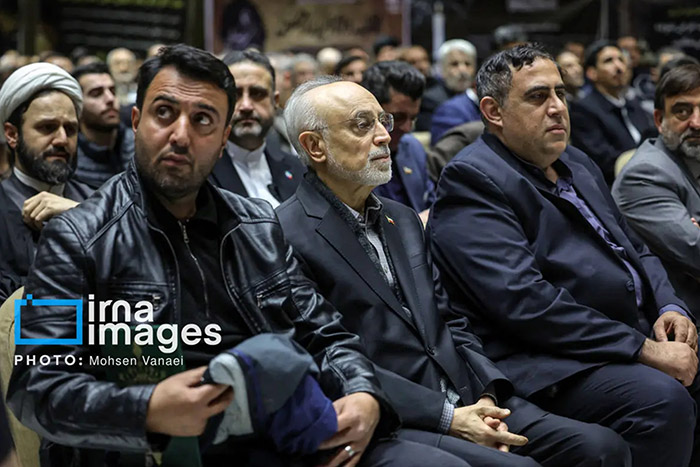
“Your patience is a lesson for all of us. Today, politics stands still; humanity speaks.”
Qalibaf, too, expressed sympathy, recalling the pain of losing loved ones and the heavy burden of public responsibility during personal hardship.
The atmosphere allowed the public to witness a dimension of political leadership rarely shown in official settings: vulnerability, empathy, and shared emotion.
Public Reaction and Media Coverage
Across social media, the tragedy sparked widespread prayers, candlelit vigils, and online memorials. Hashtags in support of the Esfahani family trended across Iranian platforms for several days.
Many were particularly moved by the father’s decision to donate his daughter’s organs—a decision that symbolized giving life in the midst of immense personal loss. Several medical professionals publicly commended the act, and transplant patients who benefitted from similar donations shared their stories online.
Opposition figures, although critical of Esfahani’s political background, issued statements of condolence. This included commentators from diaspora communities and independent journalists who typically avoid alignment with government officials.
The tragedy also reopened discussions about road safety, a longstanding issue in Iran. Editorials pointed to insufficient enforcement of parking regulations for heavy trucks, poor lighting on highways, and delays in modernizing national road infrastructure. Some emphasized that road casualties often surpass those of natural disasters or occasional security incidents—yet receive far less long-term policy attention.