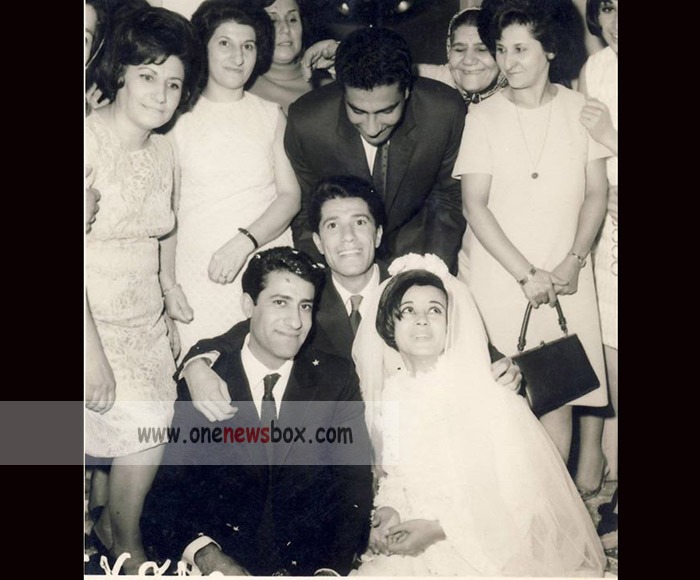
It was in this context that Narenjiha began his career. He joined the dubbing world in 1963, a period frequently regarded as the golden decade of Iranian dubbing. Talented directors, translators, actors, and technicians were elevating dubbing from a mere technical necessity to a respected profession. For Narenjiha, whose voice carried a distinctive timbre—deep but not heavy, expressive but controlled—it was an opportunity to develop a signature style.
Little is recorded about his earliest motivations, but those who worked with him often recalled his meticulous nature. He was known for arriving early to recording studios, studying scripts thoroughly, and rehearsing lines repeatedly until he found the perfect tone. His dedication did not go unnoticed. Within a few years of entering the field, he began receiving steady roles, particularly those requiring a serious or dignified voice.
A Unique Tone: Priests, Judges, and Authority Figures
From the outset, directors recognized that Narenjiha’s voice had an inherent gravitas. It was well-suited for characters who embodied wisdom, authority, or moral clarity. As a result, throughout the 1960s and 1970s, he was frequently cast as priests, judges, court presidents, and elder statesmen in dubbed films and television programs. These roles allowed him to demonstrate a controlled intensity that was neither overwhelming nor flat. His voice could communicate calm authority, sternness, or compassion with subtle shifts in rhythm and emphasis.