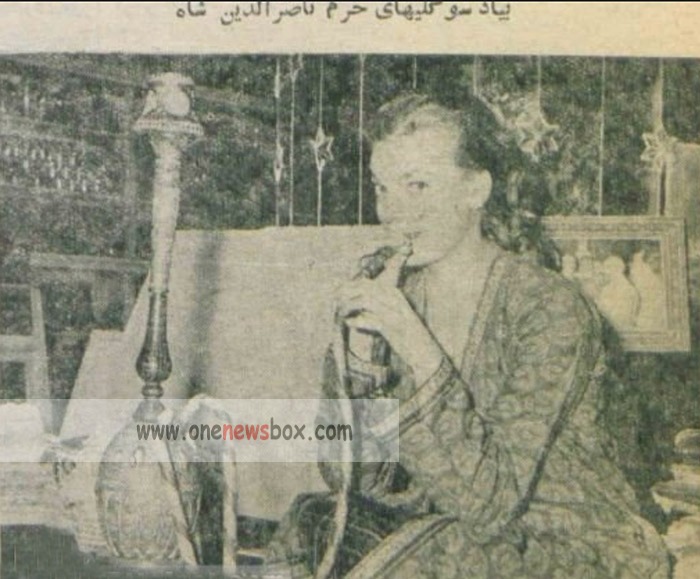
To understand the significance of this visit, one must recall the social climate of Iran in 1955. The country was still recovering from the political upheavals that followed the 1953 coup d’état, which had restored the Shah’s authority and ushered in a new era of Western-aligned modernization. Iran at the time was in a state of cultural flux. The government encouraged industrialization, urban planning, the expansion of media, and greater interaction with Europe and the United States. Meanwhile, traditional norms remained deeply rooted, creating a lively tension between modern aspirations and cultural conservatism. Into this landscape stepped seven French women whose arrival quickly became more than a mere marketing event—it turned into a cultural spectacle.
Caron, a renowned French fashion and perfume house founded in the early twentieth century, had long cultivated an aura of luxury around its brand. By the 1950s, the company was seeking to expand its global presence, especially in emerging Middle Eastern markets. Iran, with a rapidly growing urban consumer class and an elite eager to emulate metropolitan European lifestyles, appeared an attractive destination. In an era long before digital advertising or global television campaigns, sending models abroad was a bold but effective promotional strategy. The idea was simple: bring Paris to Tehran. Let the elegance, confidence, and mystique of Caron’s models speak louder than any printed advertisement.