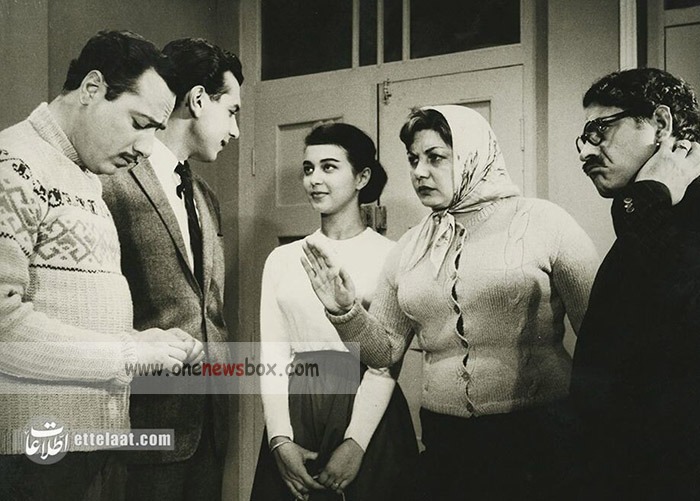
Each of these films showcases a different facet of her talent. In Madar, for example, Khairabadi delivered one of the most emotionally resonant performances of her career, embodying the self-sacrificing yet resilient Iranian mother with profound humanity. In Ajara Neshinha, she brought warmth and humor to a socially conscious narrative about urban life and class struggle.
Her performances were never exaggerated; instead, they were marked by subtle gestures, expressive silences, and an innate understanding of character psychology.
Collaboration with Ali Hatami
Khairabadi’s collaboration with Ali Hatami, often called the “Poet of Iranian Cinema,” deserves special attention. Hatami’s films were deeply rooted in Iranian history, folklore, and linguistic elegance. Khairabadi’s classical demeanor and expressive face made her an ideal interpreter of his cinematic vision.
In films like Banu, she embodied tradition, continuity, and maternal wisdom, serving as a bridge between Iran’s past and present. Hatami once described actors like Khairabadi as “living archives of Iranian culture,” a testament to her cultural significance.