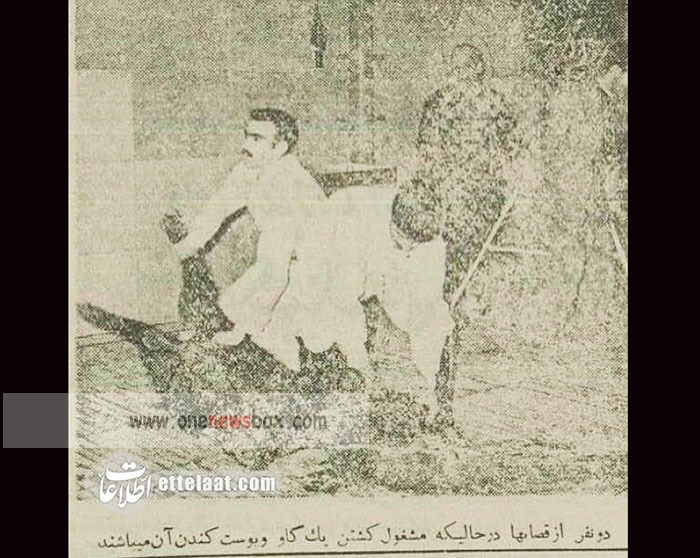
Blood, offal, and animal remains often found their way into open canals, streets, or vacant lots, contributing to pollution and the spread of disease. Complaints from residents about foul odors, contaminated water, and health risks were common. Municipal authorities, public health officials, and reform-minded technocrats increasingly recognized that traditional slaughtering methods could no longer meet the needs of a modern capital city.
Public Health as a Driver of Reform
Public health concerns were a major impetus behind the decision to build an industrial slaughterhouse. During the early 1950s, Iran’s Ministry of Health and Tehran’s municipality placed growing emphasis on preventive medicine, hygiene, and disease control. Meat, as a staple of the urban diet, occupied a central place in these discussions. Diseases transmitted from animals to humans, such as brucellosis and parasitic infections, were becoming better understood through advances in veterinary science.
Medical professionals repeatedly warned that without systematic inspection of livestock before and after slaughter, the risk of contaminated meat entering the food chain remained high. The industrial slaughterhouse was thus envisioned not merely as a logistical facility, but as a public health institution, equipped with laboratories, trained veterinarians, and standardized procedures to ensure that only healthy animals were processed and distributed.