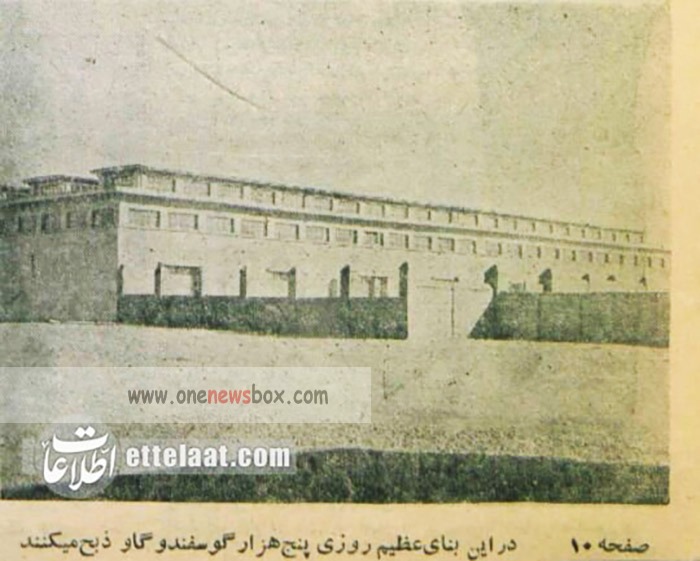
Separate sections were designated for livestock reception, veterinary inspection, slaughtering, skinning, meat processing, refrigeration, and waste disposal. This spatial organization was intended to prevent cross-contamination and ensure a smooth, linear workflow. The inclusion of cold storage facilities was particularly significant, as refrigeration technology represented a major advancement in meat preservation and distribution.
Technology and Equipment
The slaughterhouse was equipped with modern machinery imported from Europe, including hoists, rails, cutting tools, and refrigeration units. These technologies reduced reliance on manual labor, increased efficiency, and improved sanitary conditions. Animals were processed in a controlled environment, with standardized procedures replacing the variability of traditional methods.
Veterinary laboratories within the complex enabled systematic inspection of organs and carcasses. Suspect meat could be isolated and destroyed, preventing it from reaching markets. This level of scientific oversight was unprecedented in Tehran and marked a clear departure from earlier practices.
Labor and Training
The transition to an industrial slaughterhouse also transformed the labor structure of meat production. Workers who had previously relied on traditional skills were now required to operate machinery and follow strict hygienic protocols. Training programs were introduced to familiarize staff with modern techniques, safety standards, and health regulations.