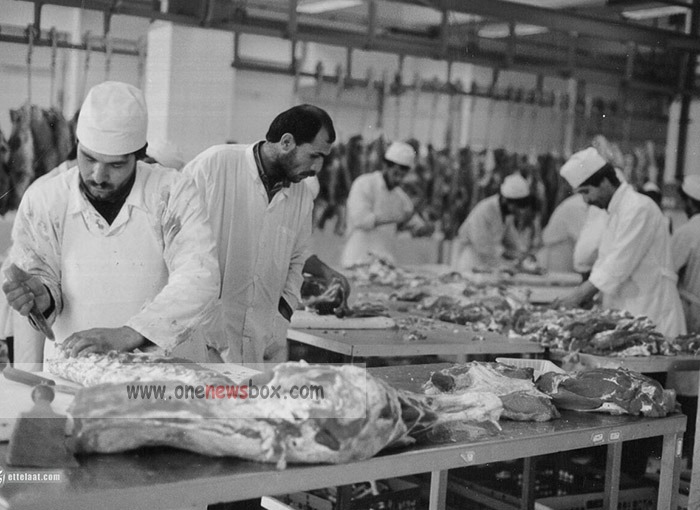
This shift was not without resistance. Some butchers and slaughter workers feared loss of autonomy or income, while others were skeptical of new methods. Nevertheless, municipal authorities emphasized that industrialization would ultimately benefit workers by providing stable employment, safer working conditions, and integration into a regulated economic system.
Municipal Regulation and Centralization
One of the key objectives of the industrial slaughterhouse was to centralize meat production under municipal supervision. Slaughtering animals outside the facility was gradually restricted, and butcheries were required to source their meat exclusively from the authorized slaughterhouse. This allowed the municipality to monitor quantities, regulate prices, and enforce health standards more effectively.
Centralization also facilitated taxation and record-keeping, contributing to greater transparency in the meat trade. For the state, the slaughterhouse represented an extension of administrative control into everyday economic life, aligning with broader efforts to modernize governance and urban management.
The Opening Ceremony of December 1955
The official opening of Tehran’s industrial slaughterhouse took place in December 1955, marking the culmination of two years of planning, construction, and preparation. The event was attended by municipal officials, government representatives, health experts, and journalists. Speeches emphasized the facility’s role in protecting public health, improving food quality, and advancing Iran’s modernization agenda.