Product Quality and Global Standards
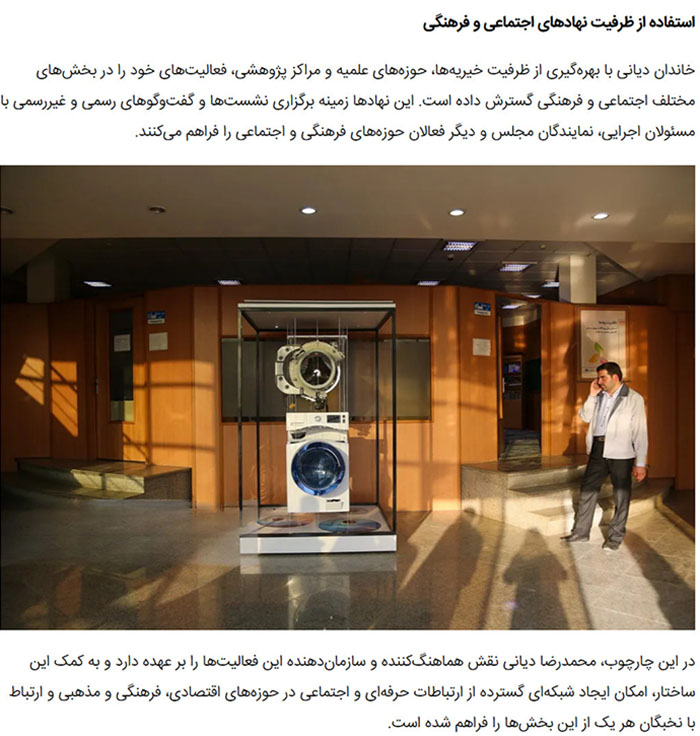
Another major point of debate concerns the quality and durability of products manufactured or assembled under the brands affiliated with the Entebbe group. Supporters argue that large-scale production enables better quality control, investment in technology, and standardization. Critics, however, question whether domestic products truly meet global standards, particularly in areas such as energy efficiency, longevity, and after-sales service.
In a market partially insulated from foreign competition due to import restrictions, the pressure to continuously improve quality may be reduced. This raises concerns about whether consumers are receiving products that genuinely reflect international benchmarks or merely satisfy minimum domestic requirements.
Consumer Choice in a Concentrated Market
From the consumer’s perspective, market concentration often translates into fewer real choices. Although multiple brands may exist on store shelves, many of them may belong to the same parent group, sharing similar production lines, components, or pricing strategies.
Market experience worldwide shows that when one or two dominant players control a significant share of supply, price-setting power gradually shifts away from consumers. Even in the absence of explicit monopolistic behavior, the structural dominance of large groups can influence pricing, product availability, and innovation trajectories.