The late 1930s marked a decisive chapter in the transformation of Iran from a fragmented, semi-traditional society into a centralized modern state. Under the rule of Reza Shah Pahlavi, modernization was pursued not as a gradual cultural evolution but as a forceful, state-driven project. Roads, railways, schools, courts, and military institutions were reorganized to reflect a new vision of order, discipline, and national sovereignty. Among these transformations, the modernization of urban policing in Tehran played a critical but often overlooked role.
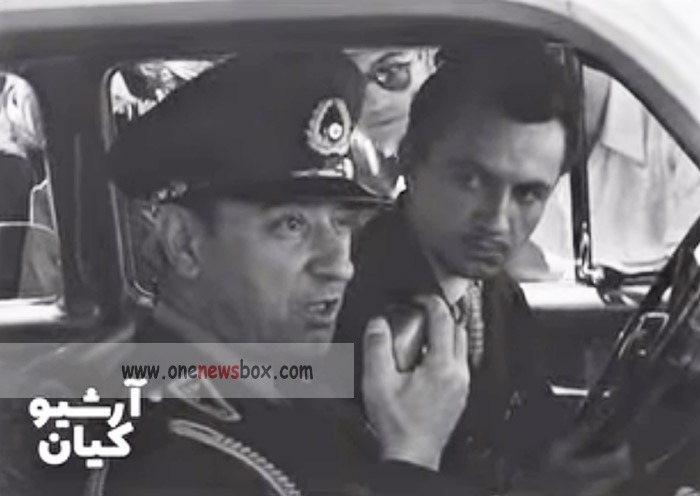
One of the most symbolically powerful innovations of this period was the equipping of Tehran police cars with American-made wireless transceivers, a technological leap that fundamentally altered law enforcement operations in the capital. This development coincided with inspection visits by senior officials, most notably Lieutenant Colonel Mehdi Qoli Alavi Moghadam, the Chief of the National Police, whose presence underscored the political importance of the project.
This essay explores the historical background, technological significance, political symbolism, and long-term implications of this modernization effort, situating it within Iran’s broader encounter with technology, authority, and modern governance.
