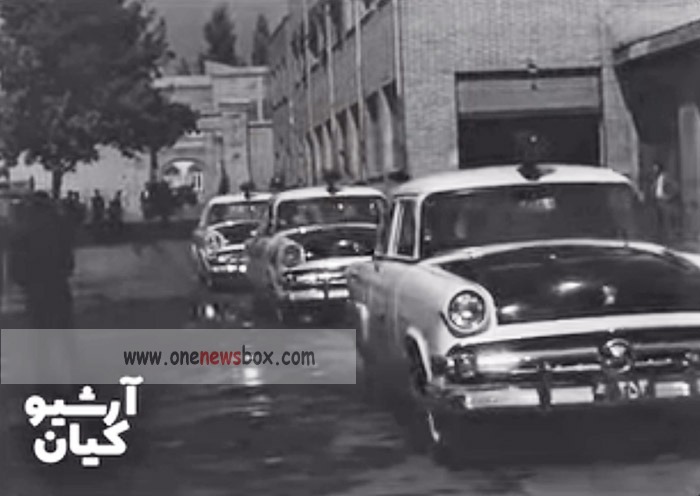
Modern uniforms, standardized ranks, centralized command structures, and mechanized mobility were all essential elements of this vision. The introduction of radio-equipped police vehicles was the culmination of years of institutional reform.
The Introduction of Police Vehicles in Tehran
From Foot Patrols to Motorized Units
Prior to the 1930s, Tehran’s police relied heavily on foot patrols and mounted units. Communication between officers was slow and often depended on messengers or fixed telephone lines at police stations. Response times were long, and coordination between different districts was limited.
The acquisition of police cars marked a fundamental shift. Motorized patrols allowed officers to cover larger areas, respond more quickly to emergencies, and maintain a constant presence in major thoroughfares. Cars themselves became symbols of state power—visible, mobile, and intimidating.
