By the late 1930s, Tehran was no longer the modest Qajar-era city it had once been. Rapid population growth, rural migration, and administrative centralization had turned it into a sprawling capital with new neighborhoods, ministries, factories, and transportation networks. This growth brought with it unprecedented challenges: traffic congestion, petty crime, labor unrest, political dissent, and the need for constant surveillance.
Traditional forms of policing—based on foot patrols, local familiarity, and delayed reporting—were no longer adequate. The state required a faster, more coordinated, and more visible police force capable of responding immediately to incidents across the city.
Reza Shah’s Vision of Order
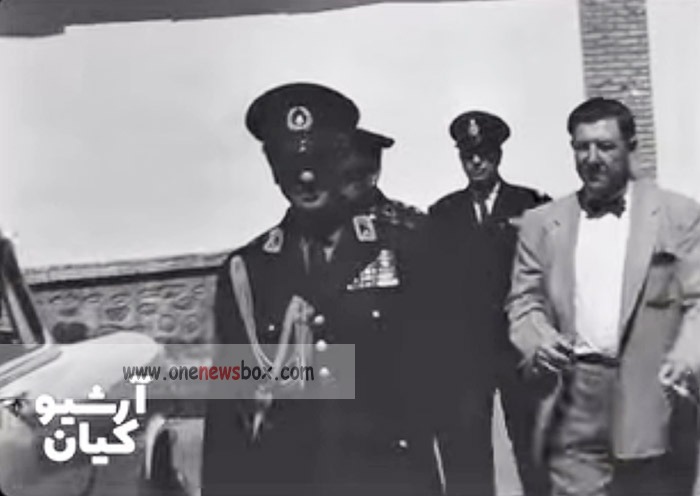
Reza Shah viewed public order as the foundation of modernization. For him, a modern nation could not exist without disciplined streets, obedient citizens, and an omnipresent state authority. The police force, therefore, was not merely a service institution but a pillar of sovereignty.