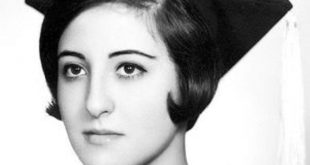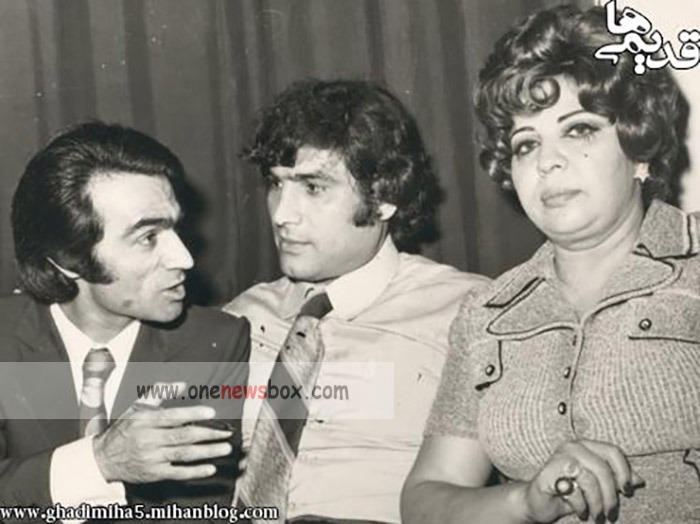
Her association with this station earned her the nickname “Roohparovar of the Air Force,” a title by which she was widely known for many years. At a time when female singers still faced social and cultural resistance, appearing on a military-affiliated radio station paradoxically lent her a form of institutional legitimacy. Her voice, broadcast into homes across Tehran and beyond, quickly became familiar and beloved.
Listeners were struck by the intensity of her performances. Unlike lighter popular singers who emphasized melody and charm, Roohparovar’s singing carried a dramatic weight more commonly associated with classical or religious chanting. This distinctive quality set her apart and established her as a serious vocal artist rather than merely an entertainer.
Rise in Lalehzar and Popular Fame
Following her success on radio, Roohparovar became active in Lalehzar, Tehran’s famous entertainment district. During the 1950s and 1960s, Lalehzar functioned as the cultural heart of popular performance in Iran, hosting theaters, music halls, cabarets, and cinemas. Many of Iran’s most famous singers and actors passed through its stages, and success there often meant national recognition.
Roohparovar’s performances in Lalehzar further solidified her reputation as a singer of extraordinary power. Audiences were drawn not only to her voice but also to her commanding stage presence. She did not rely on elaborate costumes or theatrical gestures; instead, her performances were built around vocal intensity and emotional authenticity. Her singing often conveyed longing, sorrow, resilience, and passion—emotions that resonated deeply with audiences living through rapid social change.