Christmas is not a single day but a season. Traditionally, the twelve days of Christmas begin on December 25 and conclude on January 6 with the Feast of the Epiphany, commemorating the revelation of Christ to the Gentiles, symbolized by the visit of the Magi. In many Christian traditions, this period is marked by special prayers, feasts, and rituals, reinforcing the spiritual significance of the season. While Easter remains the most important theological celebration in Christianity—commemorating the crucifixion and resurrection of Jesus—Christmas has become the most popular and culturally prominent Christian holiday in many countries, especially in the United States, Canada, and much of Europe.
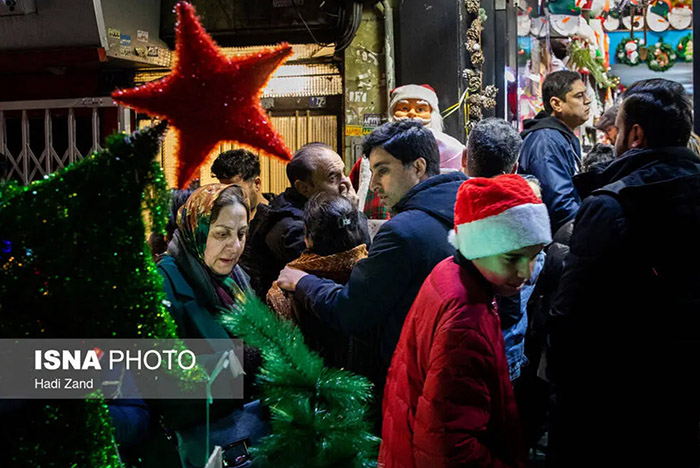
Despite its religious origins, Christmas has increasingly been celebrated as a secular holiday since the early twentieth century. For many people today, it is primarily an opportunity to gather with family and friends, exchange gifts, decorate homes, and enjoy festive meals. Elements such as Christmas trees, lights, music, and fictional or semi-fictional figures like Santa Claus or Noël have become central to popular celebrations. This blending of sacred and secular has allowed Christmas to transcend religious boundaries, making it a shared cultural event even among non-Christians.
The word “Christmas” itself has a rich linguistic history. Derived from the Old English term Christes maesse, meaning “the Mass of Christ,” the word entered the English language around the mid-eleventh century. Over time, it was shortened and adapted, giving rise to variants such as “Xmas,” which scholars believe dates back to the thirteenth century. Contrary to modern misconceptions, “Xmas” is not a secular or disrespectful abbreviation; the “X” comes from the Greek letter chi, the first letter of Christos, meaning Christ.