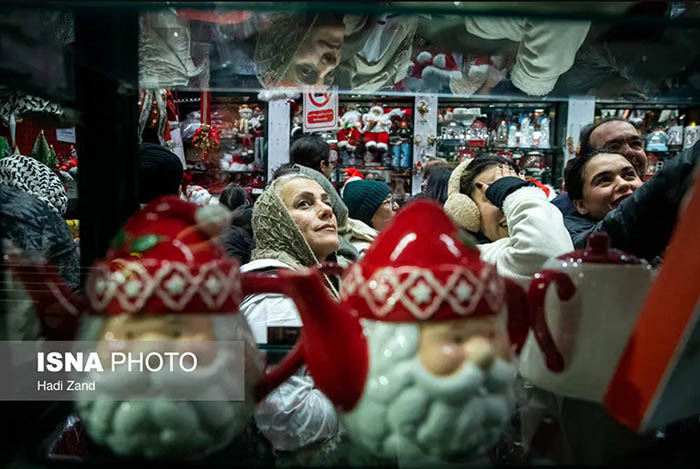
The figure of Santa Claus, known in some traditions as Noël or Father Christmas, evolved from the historical Saint Nicholas, a fourth-century bishop renowned for his generosity. Over centuries, folklore, literature, and commercial influences transformed Saint Nicholas into a cheerful, gift-giving character associated with Christmas Eve. While Santa Claus is largely a secular figure today, his origins reflect Christian values of charity and kindness.
In the contemporary world, Christmas is celebrated in remarkably diverse ways. In Europe, traditional markets, carols, and religious services coexist with modern commercial practices. In the Americas, Christmas blends Christian observance with local customs and popular culture. Even in non-Christian societies, elements of Christmas—such as decorations, music, and festive sales—have become familiar symbols of the global holiday season.
Yet, for millions of believers, the religious meaning of Christmas remains central. Churches around the world hold midnight Masses, nativity services, and special prayers to commemorate the Incarnation. These rituals affirm core Christian beliefs about God’s love, humility, and presence in human history. The enduring power of Christmas lies in its ability to convey profound theological ideas through simple, human images: a child, a family, light in darkness.
In conclusion, Christmas is far more than a single holiday or date on the calendar. It is a layered tradition shaped by theology, history, language, and culture.

In the heart of Tehran, thousands of people gathered in a powerful show of support …