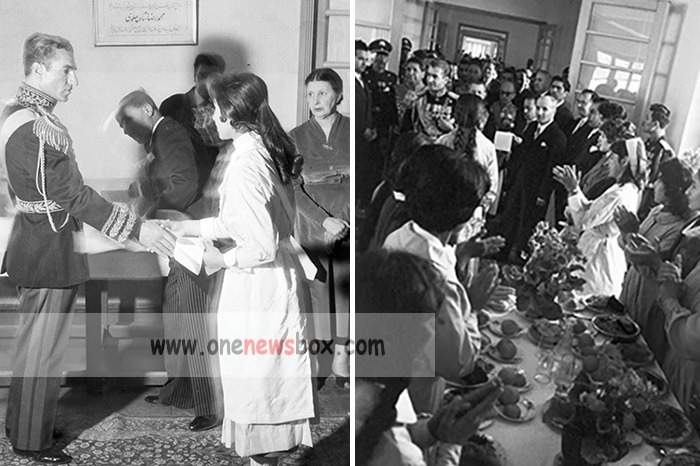
By the mid-1950s, Mohammad Reza Shah Pahlavi had emerged from the most dangerous crisis of his reign with a renewed sense of authority and historical purpose. The overthrow of Prime Minister Mohammad Mossadegh in 1953, engineered with the decisive involvement of British and American intelligence services, marked a turning point not only in Iran’s political trajectory but also in the Shah’s self-conception. No longer willing to reign merely as a constitutional monarch constrained by political rivals, Mohammad Reza increasingly sought to rule—actively, decisively, and personally. This transition shaped the ideological, cultural, and political architecture of his state during the late 1950s and early 1960s.
The Cult of Cyrus the Great and the Reinvention of Kingship
One of the most striking features of the Shah’s post-1953 strategy was his deliberate construction of a state-sponsored historical narrative centered on ancient Persia, particularly the figure of Cyrus the Great. Beginning in the mid-1950s, Mohammad Reza promoted Cyrus as the archetype of the ideal Iranian ruler: a benevolent monarch, a lawgiver, a reformer, and an empire-builder. Through speeches, textbooks, commemorations, and official propaganda, Cyrus was portrayed not merely as a historical figure but as a symbolic ancestor whose legacy the Pahlavi monarchy claimed to inherit and revive.