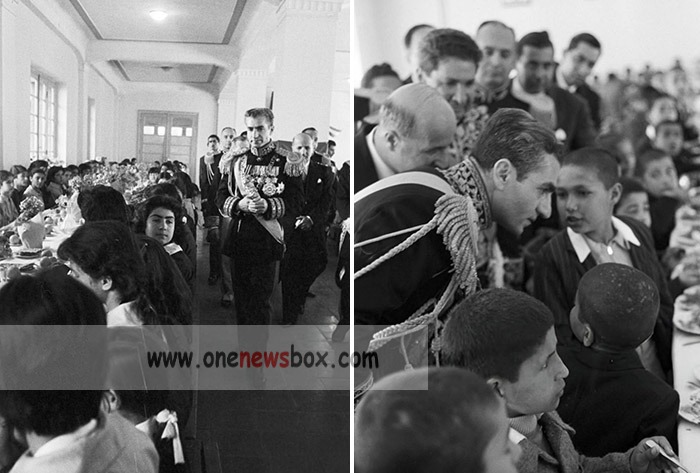
This was not a neutral act of historical commemoration. The parallels drawn between Cyrus and Mohammad Reza were explicit. Like Cyrus, the Shah presented himself as a reformer rescuing Iran from chaos, ignorance, and backwardness. Like Cyrus, he claimed to be building a powerful, modern state capable of commanding respect on the world stage. And like Cyrus, he framed his authority as both natural and necessary—a product of destiny rather than mere political contingency.
This historical mythology served multiple purposes. It distanced the monarchy from the Shiite clerical establishment by grounding legitimacy in pre-Islamic history rather than Islamic jurisprudence. It appealed to nationalist sentiment, particularly among secular elites. And it reinforced the Shah’s growing belief that he was not merely a political leader but a civilizational savior.
Divine Mission and the Language of Salvation
Alongside this historical imagery, Mohammad Reza increasingly spoke in quasi-religious terms about his role in Iran’s future. He frequently claimed that he had been entrusted by God with a sacred mission: to “save” Iran and guide it toward prosperity, strength, and modernity. This language of divine destiny was not incidental. It reflected a psychological transformation in the Shah, shaped by repeated brushes with political annihilation and reinforced by foreign support.