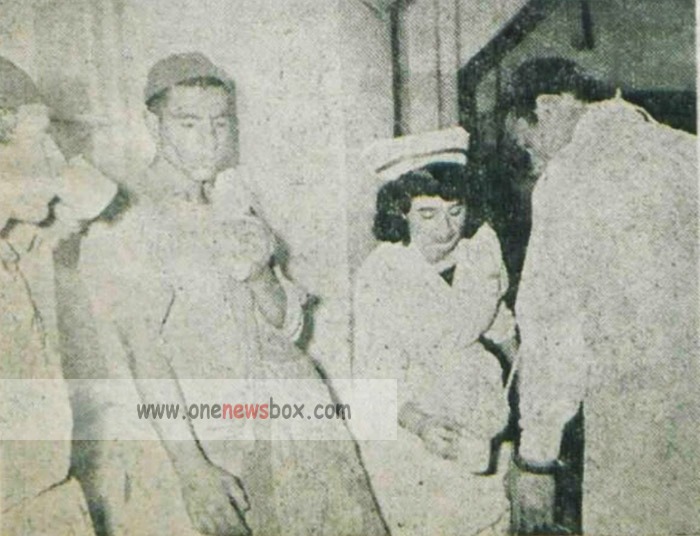
This episode, preserved through photojournalism and reportage, offers a rare window into a largely forgotten chapter of Iranian social history: a time when blood was not yet considered a nationally regulated public good, but rather a commodity extracted from the bodies of the poor to sustain the bodies of the sick.
Fragmented Medicine Before Institutionalization
Before the formation of the Iranian Blood Transfusion Organization in the 1970s, Iran lacked a centralized system for collecting, storing, testing, and distributing blood. Medical units—hospitals, clinics, and military medical centers—were largely responsible for procuring their own blood supplies. This decentralized approach reflected the broader state of Iran’s healthcare system, which combined modern medical institutions with traditional practices, uneven standards, and limited oversight.
In theory, hospitals like Pahlavi Hospital represented the pinnacle of modern medicine in Iran. Equipped with foreign-trained physicians, Western medical technologies, and urban prestige, such institutions symbolized progress. In practice, however, even these elite hospitals relied on improvised, ethically ambiguous methods to meet basic medical needs. Blood transfusions were increasingly common by the 1950s, especially in surgery, trauma care, childbirth complications, and the treatment of anemia. Yet without blood banks or volunteer donation systems, demand far outpaced supply.