Tehran Muswar was known in the 1950s for its illustrated social reports, which combined photography with narrative journalism to expose hidden aspects of urban life. Its December 1, 1955 report on blood selling at Pahlavi Hospital belongs to a tradition of social realism that sought to document—not necessarily challenge, but at least reveal—the human costs of modernization.
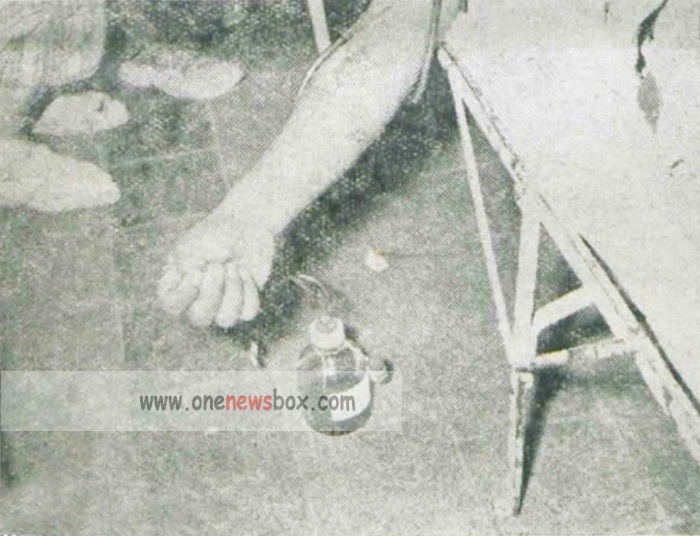
The report followed blood sellers from the moment they arrived at the hospital to the extraction process itself. The photographs showed thin men waiting in line, rolling up their sleeves, lying on hospital beds, and clutching small amounts of cash afterward. The accompanying text emphasized their poverty, describing them as “volunteers” in name only—individuals driven by hunger, unemployment, and desperation rather than altruism.
By framing the report visually and narratively, Tehran Muswar transformed an invisible medical routine into a public spectacle. Readers were invited to witness the bodily transaction that sustained modern medicine: the literal transfer of life from the poor to the sick, mediated by money.