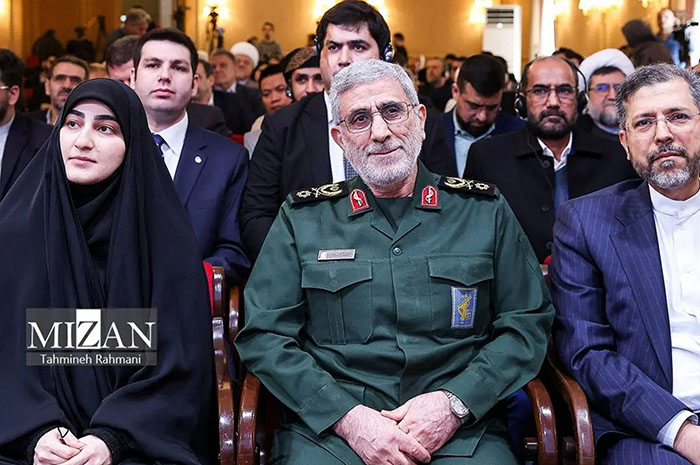
The selection of the Center for Political and International Studies, the think tank arm of Iran’s Ministry of Foreign Affairs, as the venue carried significant symbolic meaning. Traditionally associated with academic research, policy analysis, and diplomatic dialogue, IPIS represents the intellectual backbone of Iran’s foreign policy establishment. Hosting a conference dedicated to the legacy of a military commander in such a space signaled a deliberate attempt to bridge the conceptual divide between hard power and soft power, between military resistance and diplomatic engagement.
The timing of the event was equally significant. Held one year after the assassination of Soleimani and several days after the anniversary of that event, the conference occurred amid heightened regional tensions, shifting global power dynamics, and renewed debates about Iran’s role in the Middle East. The Biden administration had recently taken office in the United States, raising questions about the future of U.S.–Iran relations, sanctions, and regional security arrangements.
In this context, the conference functioned as both a commemorative gathering and a strategic forum—an opportunity to reaffirm Iran’s core narratives while adapting them to a rapidly changing international environment.