Diplomacy Reimagined: Strength as a Foundation for Dialogue
One of the central arguments presented during the opening ceremony was that effective diplomacy requires strength—not only military strength but also strategic coherence and regional legitimacy. From this viewpoint, Soleimani’s actions in strengthening allied forces across the Middle East enhanced Iran’s diplomatic leverage rather than undermining it.
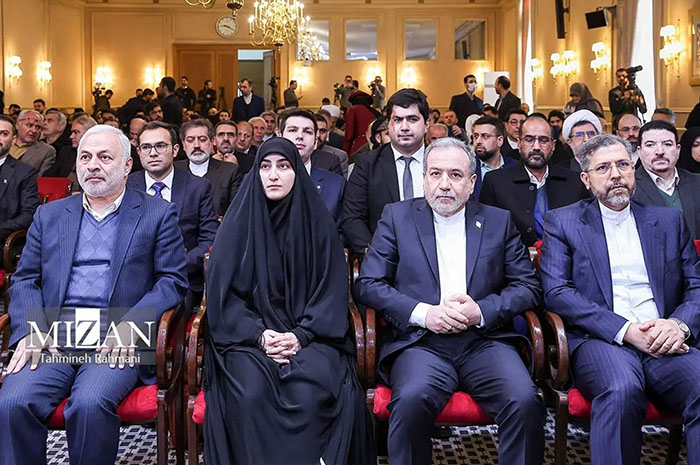
Abbas Araqchi, in his remarks, highlighted the necessity of understanding diplomacy and resistance as complementary tools, not contradictory ones. He stressed that negotiations conducted from a position of vulnerability differ fundamentally from those conducted from a position of resilience.
This interpretation reflects a broader shift in Iranian foreign policy thinking, in which diplomatic engagement is seen as most productive when supported by credible deterrence and regional influence.
The Martyrdom Narrative and Political Identity
The conference also addressed the concept of martyrdom as a formative element of Iran’s political identity. Soleimani’s assassination by a U.S. drone strike near Baghdad International Airport elevated him from a national figure to a transnational symbol of resistance.