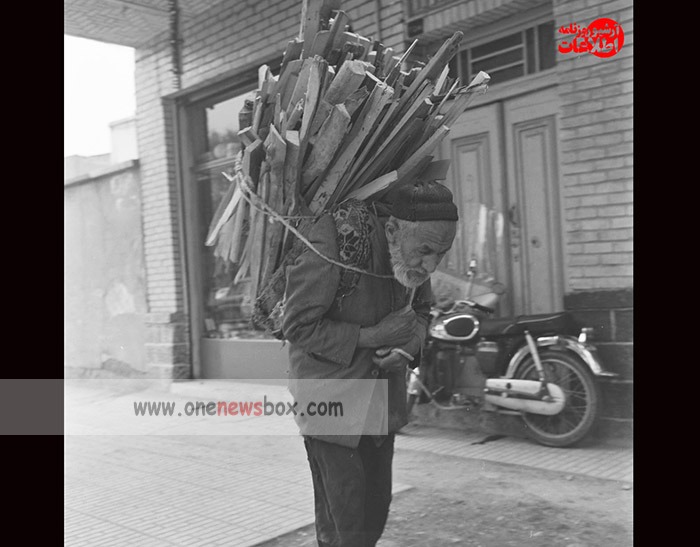
Vendors became familiar figures in neighborhoods. Children recognized them by their carts, tools, or distinctive clothing. Housewives negotiated prices, inspected the quality of the wood, and sometimes offered tea or food in appreciation of the labor. These interactions formed part of the social fabric of old Tehran, where economic exchange was deeply intertwined with personal relationships.
Economic and Social Status
Despite the essential nature of their work, firewood vendors occupied a low position in the urban social hierarchy. Their labor was physically exhausting, dirty, and often poorly paid. Long hours spent outdoors, exposure to cold, and repetitive heavy lifting took a toll on their health. Many suffered from chronic joint pain, respiratory problems, and injuries.
Yet, for many migrants from rural areas, firewood vending provided a means of survival in the city. It required little initial capital beyond tools and access to supply networks. Entire families sometimes participated in the trade, with men handling cutting and transport, and women or children assisting in sales or bookkeeping.