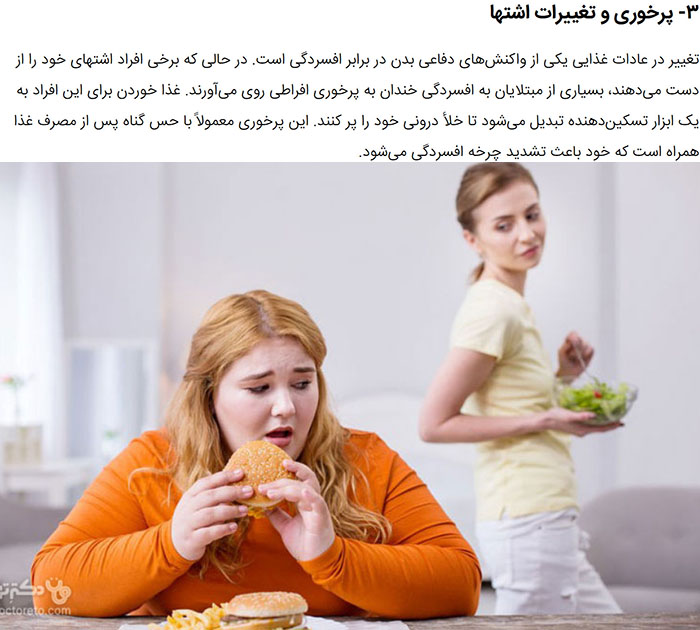
Changes in appetite are among the most common physical and emotional responses to depression. For some individuals, depression leads to a noticeable loss of appetite, while for many others it results in excessive overeating. In these cases, food becomes more than a source of nutrition; it turns into a coping mechanism. Eating provides temporary comfort and distraction, helping individuals momentarily escape feelings of sadness, loneliness, or inner emptiness.
People who overeat due to depression often crave high-calorie, sugary, or fatty foods because these foods briefly stimulate pleasure-related chemicals in the brain. However, this relief is usually short-lived. Once the eating episode ends, it is frequently followed by feelings of guilt, shame, or loss of control. These negative emotions can deepen depressive feelings and reinforce a harmful emotional cycle.
Over time, this pattern may lead to weight changes, low self-esteem, and increased dissatisfaction with one’s body, further worsening mental health. The person may feel trapped between emotional pain and unhealthy eating behaviors, unsure of how to break free. Understanding that these appetite changes are symptoms of depression—not personal weakness—is crucial. Addressing the emotional roots of overeating through psychological support, self-compassion, and healthier coping strategies can help restore balance and improve both mental and physical well-being.