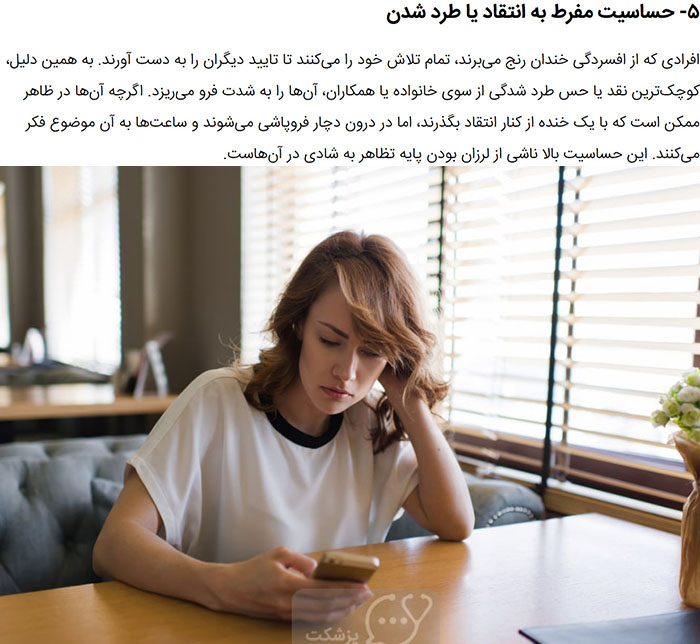
Hypersensitivity to criticism or rejection is another defining feature of laughing depression. Individuals experiencing this condition often invest great effort in pleasing others and maintaining a positive, cheerful image. Gaining approval becomes a way to validate their worth and to protect their fragile emotional state. As a result, even mild criticism, a careless comment, or a perceived lack of appreciation from family members, friends, or colleagues can feel deeply painful.
On the surface, these individuals may respond with a smile or a joke, pretending that nothing is wrong. However, internally, the impact is intense. They may replay the situation repeatedly in their minds, analyzing every word and gesture, and blaming themselves for not being “good enough.” Hours—or even days—can be spent dwelling on a single interaction, which gradually erodes their emotional resilience.
This heightened sensitivity stems from the unstable foundation of their forced happiness. Because their sense of self is built on external validation rather than genuine emotional security, any sign of rejection threatens to expose their inner vulnerability. Over time, this pattern can increase anxiety, self-doubt, and emotional exhaustion. Understanding this sensitivity as a symptom of hidden depression, rather than oversensitivity or weakness, is essential for offering empathy, support, and meaningful psychological care.