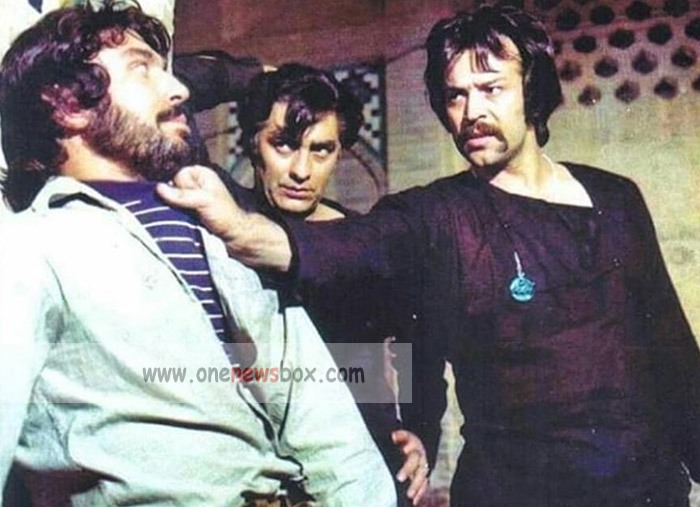
Although Ramtin was not among the most commercially prominent stars of the era, his cinematic debut placed him within an industry undergoing profound change. Films of this period increasingly explored themes such as moral ambiguity, urban alienation, and the tension between tradition and modernity—subjects well-suited to Ramtin’s restrained and introspective acting style.
Acting Style and Artistic Identity
Shahroz Ramtin’s performances were characterized by subtlety rather than spectacle. Unlike some contemporaries known for melodramatic expression or exaggerated gestures, Ramtin favored internalized emotion and controlled physicality. This approach reflected both his academic training and his theatrical background, emphasizing psychological realism over superficial charm.
He often portrayed characters caught in moments of transition—men grappling with social pressure, moral dilemmas, or historical responsibility. His acting resonated particularly well in television productions, where extended narratives allowed for deeper character development.
Television and National Recognition
Ramtin’s most enduring legacy lies in his work for Iranian television, which during the 1970s became a powerful medium for reaching mass audiences. Television series offered actors the opportunity to participate in historically themed and socially significant productions, often with greater depth than feature films.