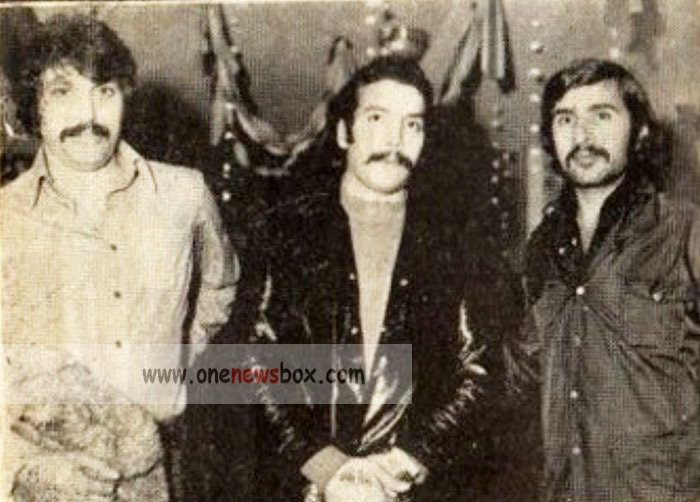
His career coincided with a time when actors were increasingly viewed as cultural figures, capable of shaping public discourse through their roles. Ramtin’s choice of projects reflected an awareness of this responsibility.
The Islamic Revolution and a Forced Turning Point
The Islamic Revolution of 1979 marked a dramatic rupture in Iran’s cultural landscape. The entertainment industry underwent radical restructuring, with strict regulations imposed on artistic expression. Many actors, directors, and writers found themselves marginalized, censored, or entirely excluded from professional activity.
For Shahroz Ramtin, the revolution represented not merely a professional challenge but an existential crossroads. The conditions necessary for his artistic practice—intellectual freedom, thematic diversity, and continuity of work—were fundamentally altered. Like many artists of his generation, he faced the painful decision of whether to adapt, remain silent, or leave.
Emigration to England
In the aftermath of the revolution, Shahroz Ramtin emigrated to England, effectively severing his direct ties with Iranian cinema and television. Exile marked a profound transformation in his life, replacing public visibility with relative anonymity.