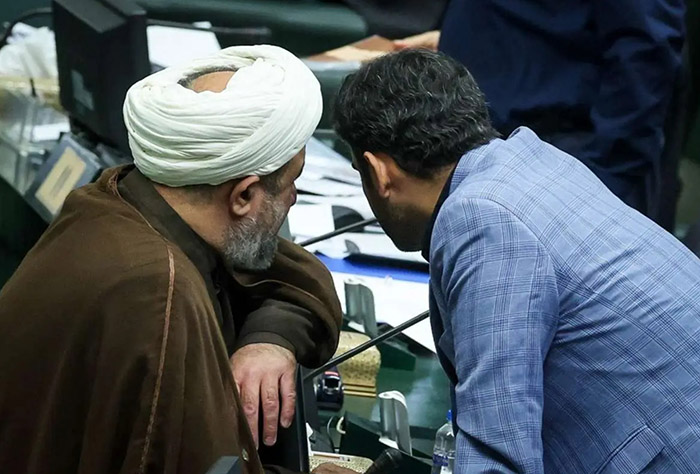
Brief, one-on-one discussions held openly on the floor of parliament are among the most important mechanisms of decision-making in any political system. These deliberations allow elected representatives to exchange ideas, criticize proposals, defend interests, and shape legislation before it is put to a vote. In Iran, this role is fulfilled by the Islamic Consultative Assembly (Majles-e Shoraye Eslami), which stands at the center of the country’s legislative process. As one of the two pillars of the legislative branch—alongside the Guardian Council—the Assembly has played a decisive role in Iran’s political history, from early consultative traditions to the constitutional era and the post-revolutionary Islamic Republic.
This text provides a comprehensive examination of the Islamic Consultative Assembly of Iran, covering its historical roots, constitutional foundations, internal procedures, duties, powers, and limitations. It also addresses the political significance of parliamentary transparency, the interaction between the Assembly and other branches of power, and contemporary challenges facing the institution. By placing the Assembly within a broader historical and legal context, the text aims to clarify how parliament functions in Iran and why it remains a key arena for political debate and governance.