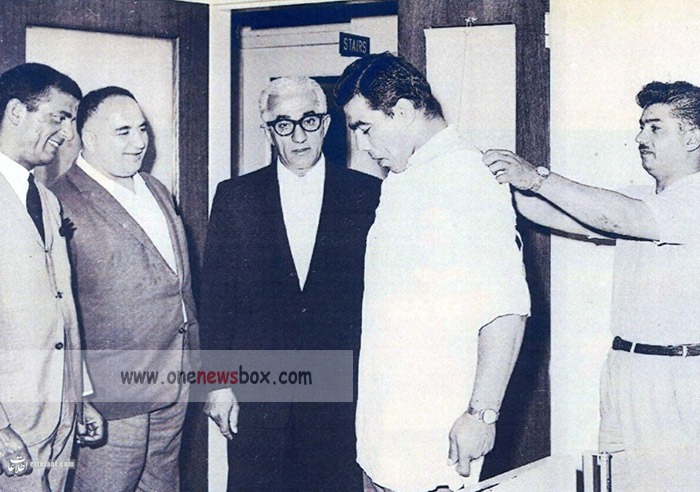
Gholamreza Takhti was born into a modest family in a working-class district of the capital city. His father, often known as Rajab Khan, struggled financially and died when Takhti was still young. This early loss forced the family into hardship and shaped Takhti’s personality from childhood. He grew up knowing poverty, manual labor, and the emotional weight of responsibility. These experiences left a deep mark on him, fostering empathy toward the underprivileged and an instinctive closeness to ordinary people.
He had two brothers and two sisters, all older than him. From an early age, he learned discipline and endurance, not through privilege but through necessity. He attended primary school and briefly entered secondary education, but economic conditions compelled him to leave formal studies early. Instead, he sought work to help support his household. These early years were characterized by perseverance rather than comfort.
Takhti’s entry into traditional athletic culture occurred during his adolescence, when he began training in zurkhaneh institutions. These environments combined physical conditioning, music, ritual, and ethical instruction. At first, he was not especially successful as a wrestler. His early competitions brought limited results, and he did not immediately stand out. However, coaches soon recognized his unusual determination and natural coordination. Under the guidance of experienced trainers, his abilities developed rapidly.