The unveiling decree must therefore be understood as part of a broader state project that included military restructuring, compulsory education, dress codes for men, and the weakening of religious institutions. These reforms aimed to consolidate power in the central government, reduce the influence of traditional elites, and cultivate a new civic identity oriented toward the state rather than toward community or clergy.
The Ceremony and Its Symbolism
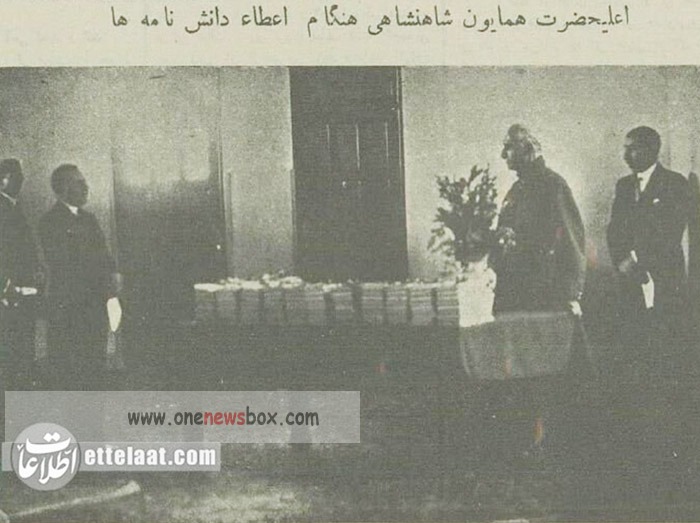
The public ceremony at the teacher-training institution carried heavy symbolic meaning. The presence of unveiled schoolgirls conveyed an image of generational renewal, while the appearance of the royal family without traditional coverings suggested that even the highest social circles were subject to the new order. Photographs and reports of the event circulated widely, ensuring that the message reached both urban centers and distant towns.
Reza Shah’s speech emphasized the necessity of unveiling as a step toward progress. He framed the measure as liberation from superstition and an embrace of modern civilization. In official discourse, the veil was portrayed not as a religious garment but as a cultural barrier that obstructed women’s education, health, and participation in national life.