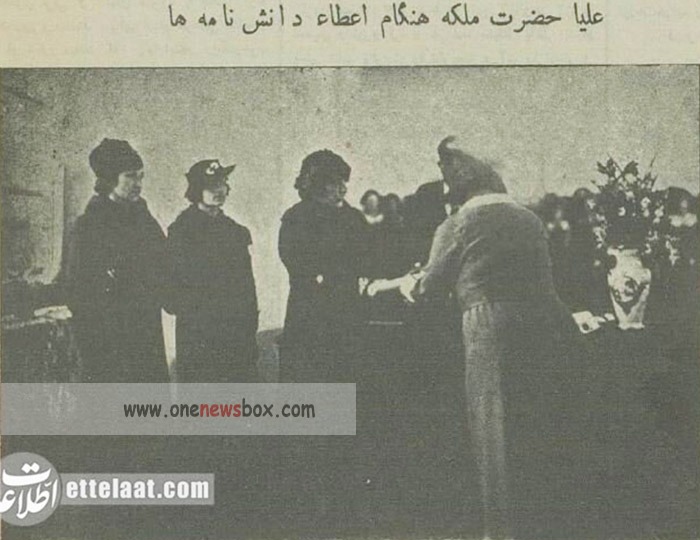
 Yet symbolism alone could not implement policy. The ceremony served as a public signal to administrators, police forces, and educators that enforcement was now obligatory. In the weeks that followed, local authorities received explicit instructions to prevent veiled women from appearing in schools, offices, and public events. Compliance was no longer optional.
Implementation relied heavily on the police and administrative networks. Women were barred from entering government buildings, schools, and transportation facilities if they retained traditional coverings. In some cities, officers physically removed veils from women in streets and marketplaces. Tailors were encouraged to produce European-style dresses, while shops selling traditional coverings faced pressure to close or diversify their goods.
Educational institutions became primary arenas of enforcement. Female teachers were required to appear unveiled in classrooms, and parents were instructed that girls could not attend school otherwise. Public ceremonies, theatrical performances, and official celebrations featured unveiled women as visual proof of compliance.