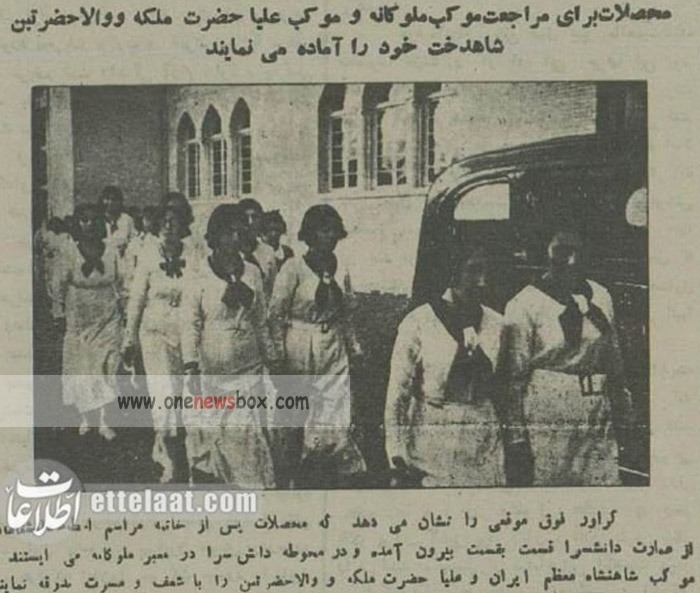
The state’s commitment to rapid transformation meant that little room was left for negotiation. While some urban families had already begun experimenting with Western dress, many others experienced the decree as a sudden rupture. The pace and manner of enforcement intensified resistance and fear, particularly among conservative households.
Social Reactions and Resistance
Public reaction to unveiling was deeply divided. Segments of the urban elite welcomed the change. They viewed it as a long-overdue correction to customs that restricted women’s mobility and education. Some women embraced new opportunities to work as teachers, nurses, and clerks, finding in unveiling a practical gateway to public life.
However, for many families, the decree provoked anxiety, humiliation, and anger. Traditional coverings were not merely clothing; they were embedded in concepts of modesty, honor, and religious duty. To be forced to abandon them under threat of punishment was experienced as an assault on personal identity. Numerous women withdrew from public life entirely, avoiding streets, markets, and workplaces rather than appear unveiled.