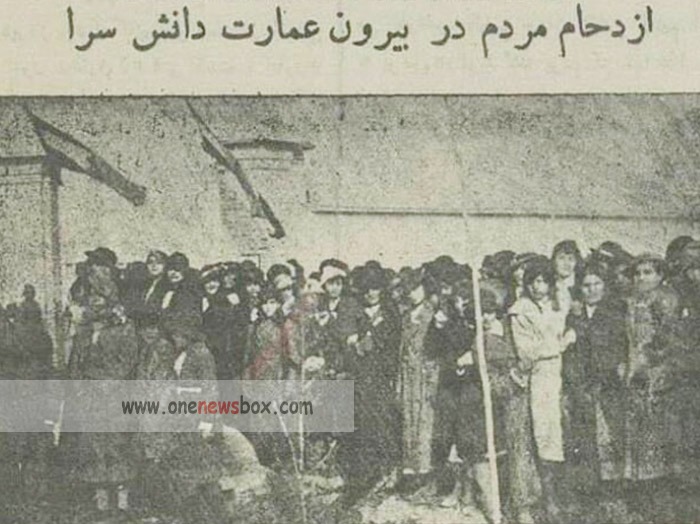
In provincial towns and rural areas, opposition was often stronger. Reports circulated of confrontations between citizens and police, of mothers refusing to send daughters to school, and of families migrating temporarily to avoid enforcement. While organized mass rebellion did not materialize, everyday acts of resistance—staying indoors, altering routines, or quietly maintaining custom within private spaces—became widespread.
Impact on Women’s Lives
The unveiling decree paradoxically expanded and restricted women’s lives at the same time. For a portion of society, it opened doors. Educational institutions recruited female students and teachers in growing numbers. Professional roles in healthcare and administration slowly expanded. Unveiled women began to appear in public ceremonies, newspapers, and cultural events as representations of the modern citizen.
Yet for others, the policy produced isolation. Women from conservative families, who might previously have participated in markets or neighborhood visits while veiled, found themselves confined to their homes. Economic hardship increased for households dependent on women’s public labor. Psychological stress, social stigma, and family conflict became frequent consequences.