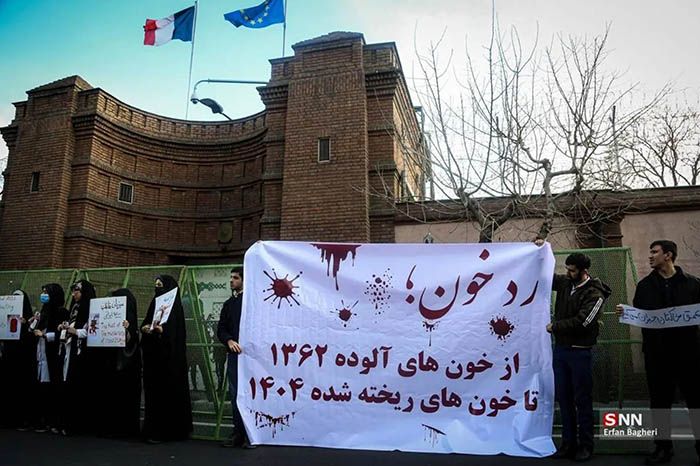
It’s important to recognize that the issue of free speech and its boundaries is a complex and contentious one. In the Western world, freedom of expression is often held as a fundamental right, with individuals allowed to express even the most controversial of opinions. However, in many parts of the world, particularly in countries where religion plays a dominant role in society, there is often a more nuanced view of what can and cannot be said in the public sphere. The line between satire and offense is drawn differently in different cultures, and what one group sees as harmless humor, another might view as a direct attack on their beliefs or identity.
This cultural divide became even more pronounced in recent years, particularly after the attack on the Charlie Hebdo offices in 2015, which left twelve people dead, including several of the magazine’s most prominent cartoonists. The tragedy sparked a global debate about the limits of free speech and the right to criticize, mock, and satirize religious and political leaders. In the aftermath, there was an outpouring of solidarity from around the world, with many defending the magazine’s right to publish what it saw fit. But even then, there were those who argued that the cartoons crossed a line, intentionally provoking anger and perpetuating religious and cultural divisions.