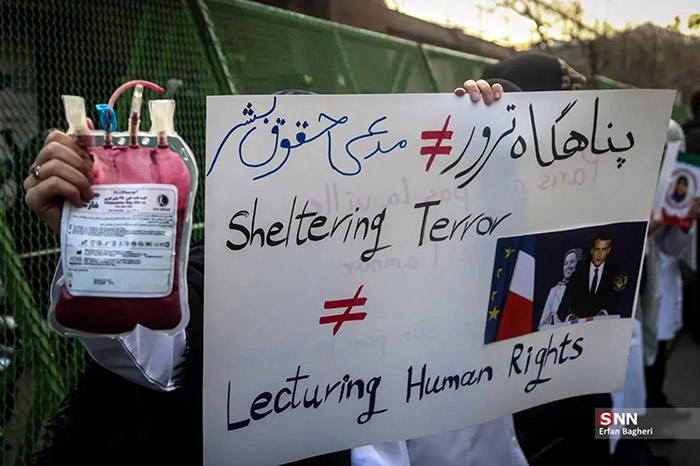
The protests outside the embassy on Wednesday were not isolated incidents, but part of an ongoing struggle over freedom of expression, religion, and the role of satire in contemporary society. While some may view the protesters’ actions as an overreaction or an attempt to stifle free speech, others might argue that their outrage is a response to what they see as a long history of disrespect and mockery aimed at their values and beliefs.
In the broader geopolitical context, the issue is also tied to longstanding tensions between the West and certain countries in the Middle East and beyond. The caricatures published by Charlie Hebdo are not just a critique of specific individuals; they are seen by many as a symbol of Western cultural imperialism, a broader critique of Western influence and interference in the region. The publication of such cartoons is viewed by some as an attempt to undermine the legitimacy of local leaderships and cultural practices, especially when those leaders are seen as resistant to Western hegemony.
The protesters outside the embassy were not only calling for the defense of their country’s honor but also sending a message of resistance to what they perceived as external pressures. For them, the cartoons represented an attack on their dignity, an attack that could not and would not go unanswered. In a world where global power dynamics are often shaped by cultural and ideological divides, such incidents are not just about free speech but about asserting one’s identity, autonomy, and sovereignty in the face of foreign influence.