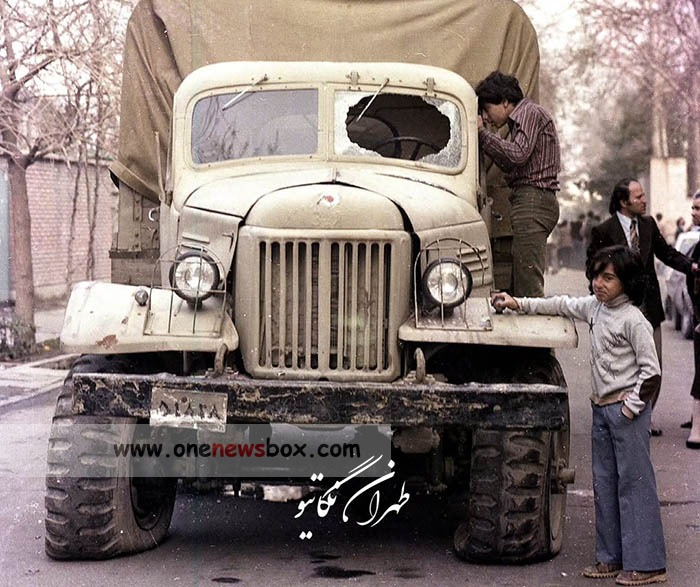
While the country experienced economic growth and modernization, many segments of the population felt increasingly alienated by the Shah’s policies. The gap between the rich and poor widened, and traditional sectors of society, such as the clergy and the bazaar merchants, felt marginalized by the changes. The modernization drive, coupled with the perceived secularization of the country, created a sense of resentment among conservative and religious elements. The Shah’s close ties with Western powers, particularly the United States, further fueled anti-monarchical sentiments, especially among those who viewed his regime as a puppet of foreign interests.
The discontent that had been simmering for years began to manifest more openly in the 1970s. The increasing repression of political opposition, including the persecution of leftist and nationalist groups, contributed to a growing sense of frustration. The Shah’s regime relied heavily on the intelligence agency SAVAK to suppress dissent, often using brutal tactics to silence critics. The political space became increasingly narrow, and those who opposed the government faced imprisonment, torture, or even death.